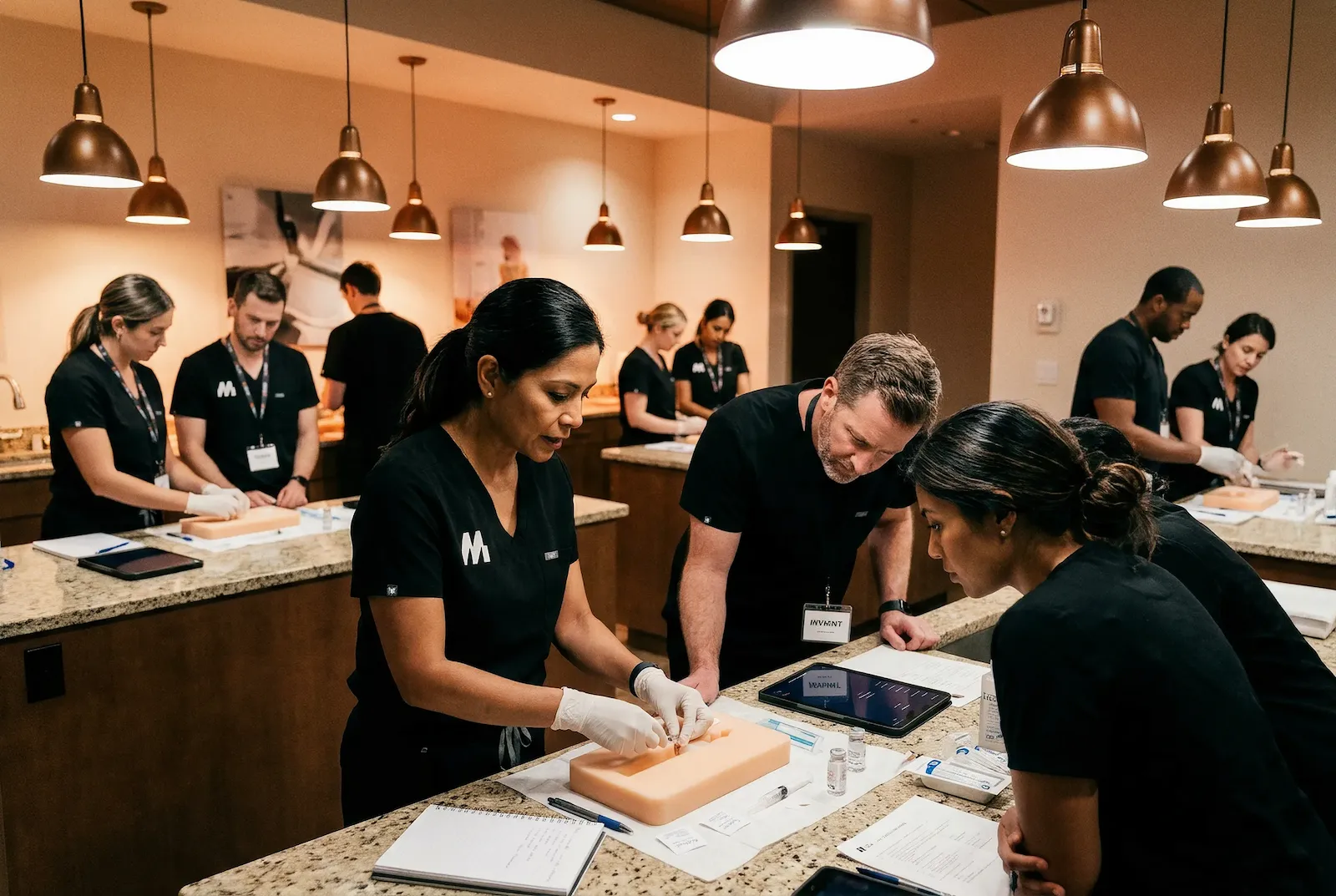
01 · Evidence
The evidence is graded.
Every session is graded by clinical readiness, not novelty. You leave knowing which protocols belong in your practice this quarter, which need another trial cycle, and which are not ready for your patients yet.
Because the goal is not to leave with more ideas. The goal is to leave better equipped to practice.
Every session is graded by clinical readiness, not novelty. You leave knowing which protocols belong in your practice this quarter, which need another trial cycle, and which are not ready for your patients yet.
The programming is physician-led and anchored in active clinical practice. MVMNT is built for the clinician who needs to know what the evidence supports right now — with the rigor to act on it responsibly.
Small enough that the question you've been holding back gets answered by the physician who's seen it three hundred times. Not a convention. A cohort.
Not influencer culture. Not trend-chasing wellness. Medicine.
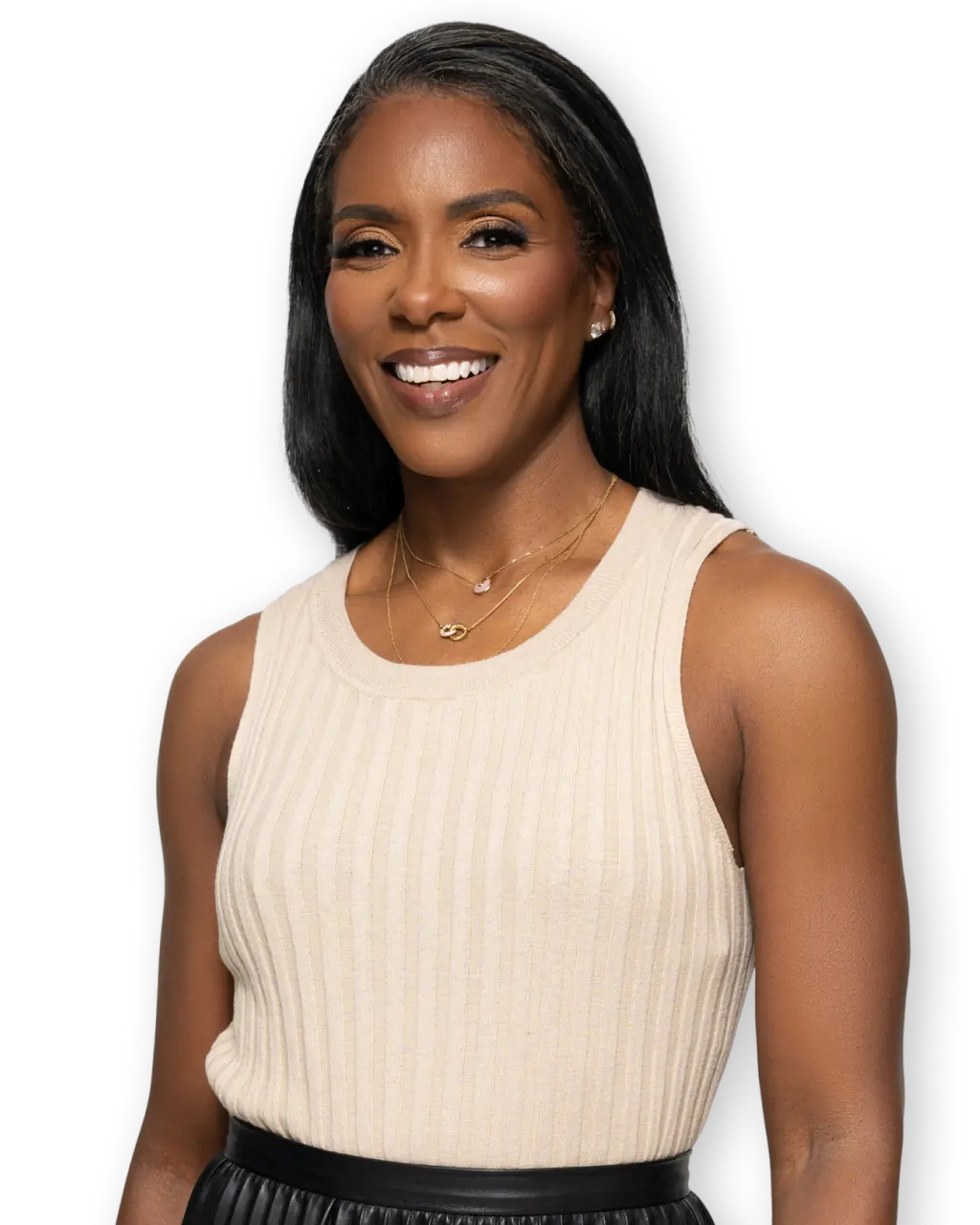
OB/GYN · Menopause · Chief Medical Officer, Hers
The Science of Exceptional Aging: Raising the Burden of Proof
CMO of Hers and author of Generation M.
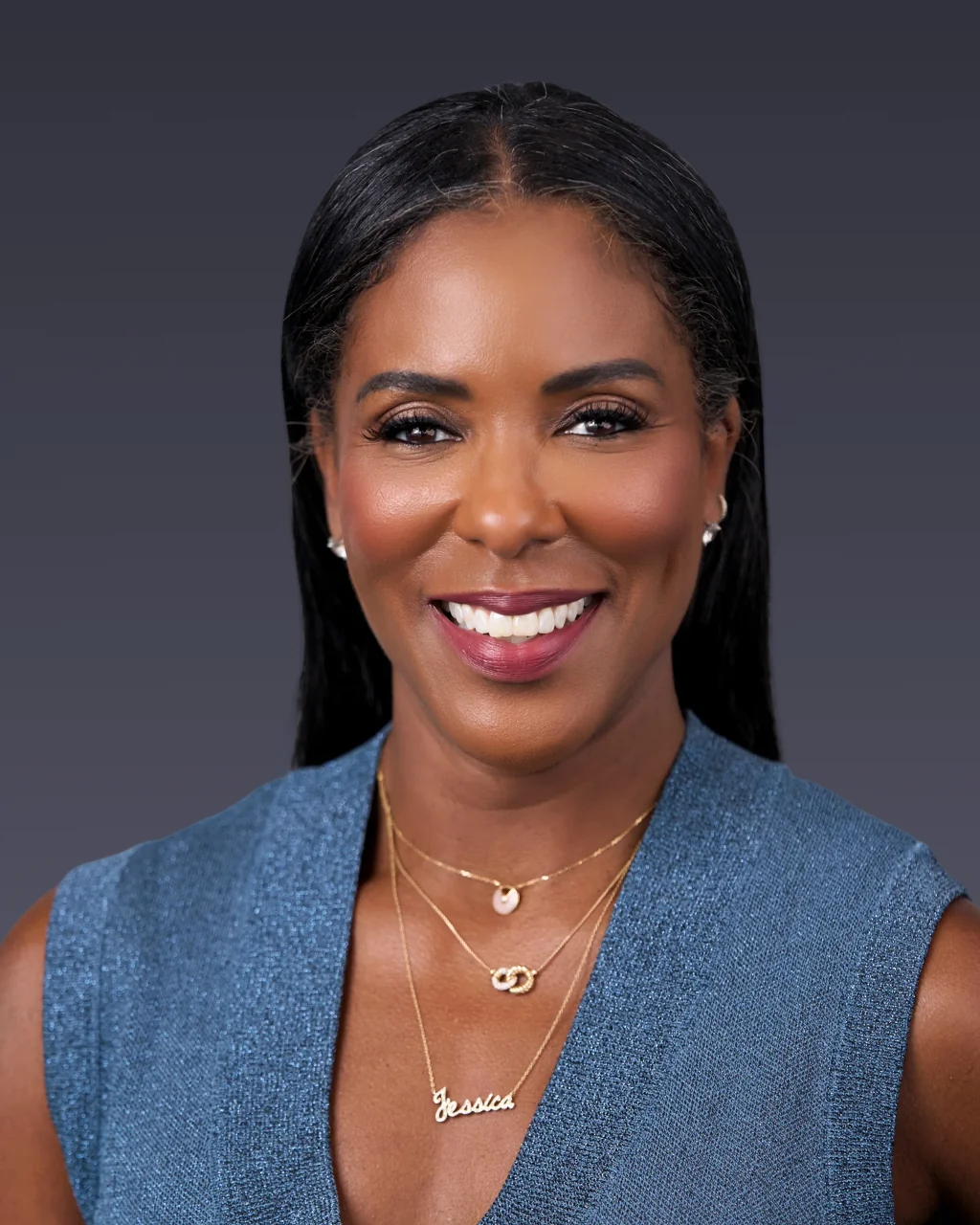
A board-certified OB/GYN in women's health, focused on perimenopause, menopause, and how women's longevity is actually treated.
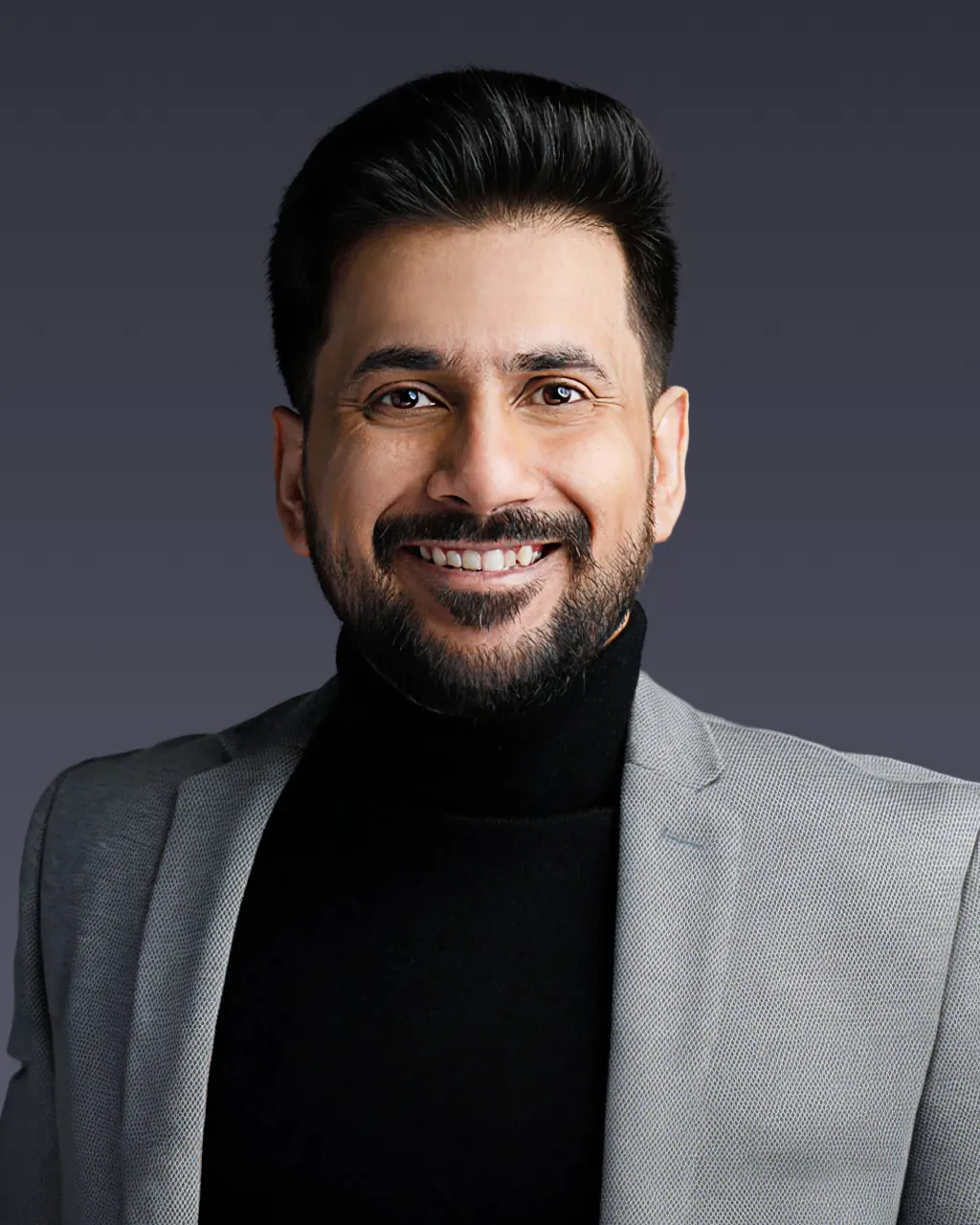
Yale researcher developing AI-driven biomarkers that quantify biological aging and predict disease risk — published in Nature; Forbes 30 Under 30 in Healthcare, 2025.
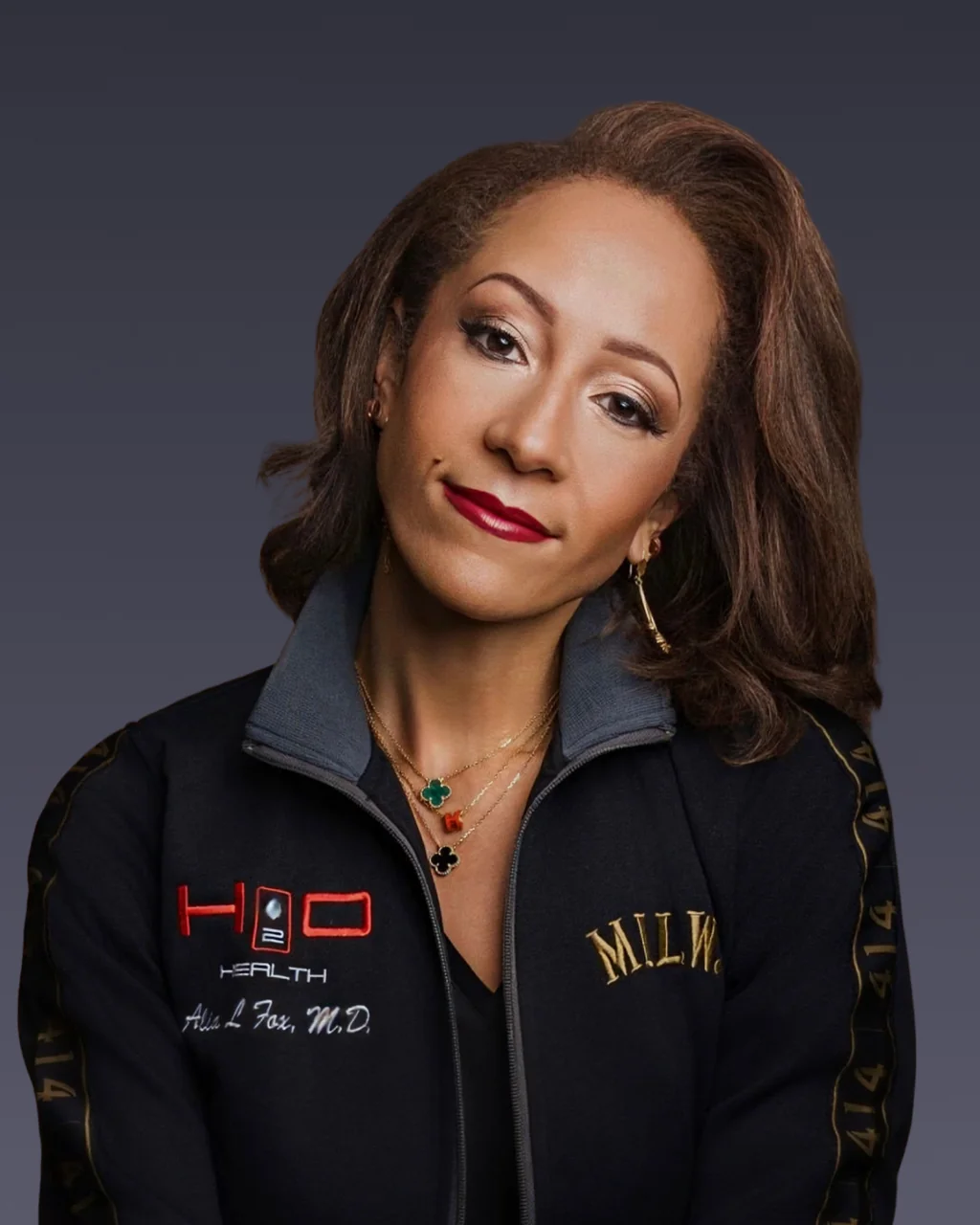
Double board-certified anesthesiologist and department chair, Cleveland Clinic–trained, who turned a hospital anesthesia career toward longevity medicine.
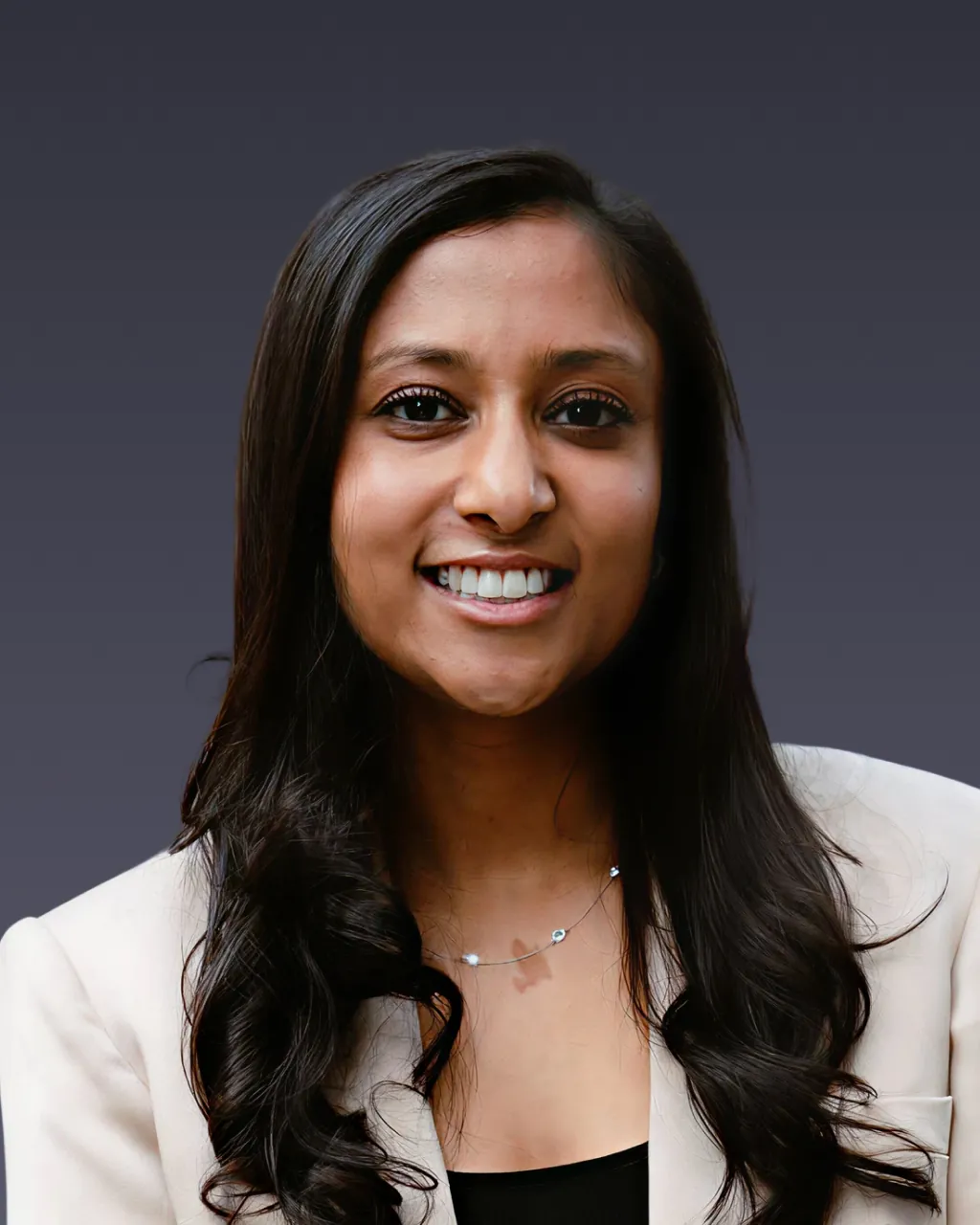
A Stanford graduate and former head of product at Pymetrics, now building a precision-medicine company on the vaginal microbiome.
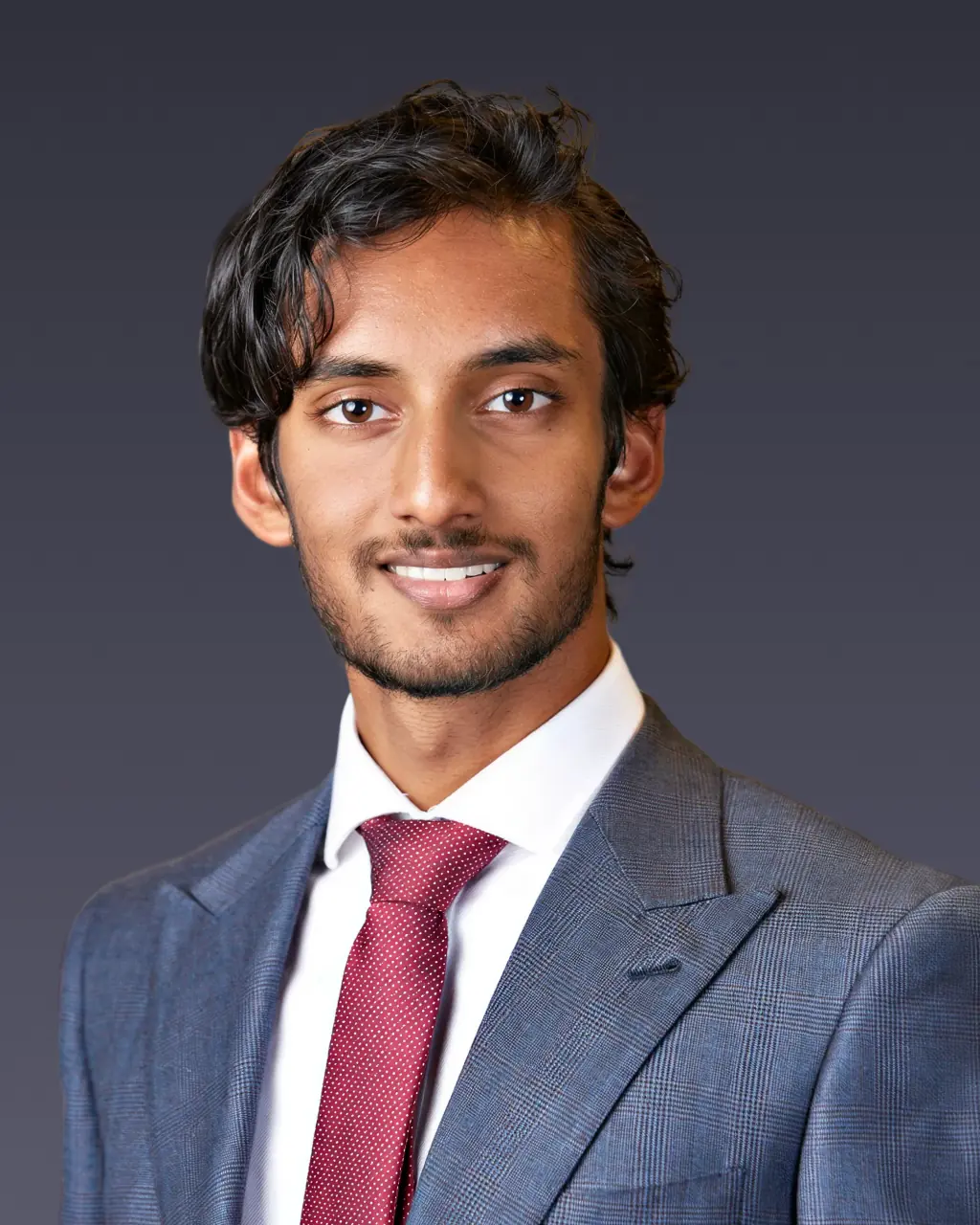
A physician who trained at Monash University and worked in emergency and general medicine at Monash Health before leaving clinical practice to build AI diagnostic tools. His first-author research mapped the topography of brain injury in patients with disorders of consciousness.
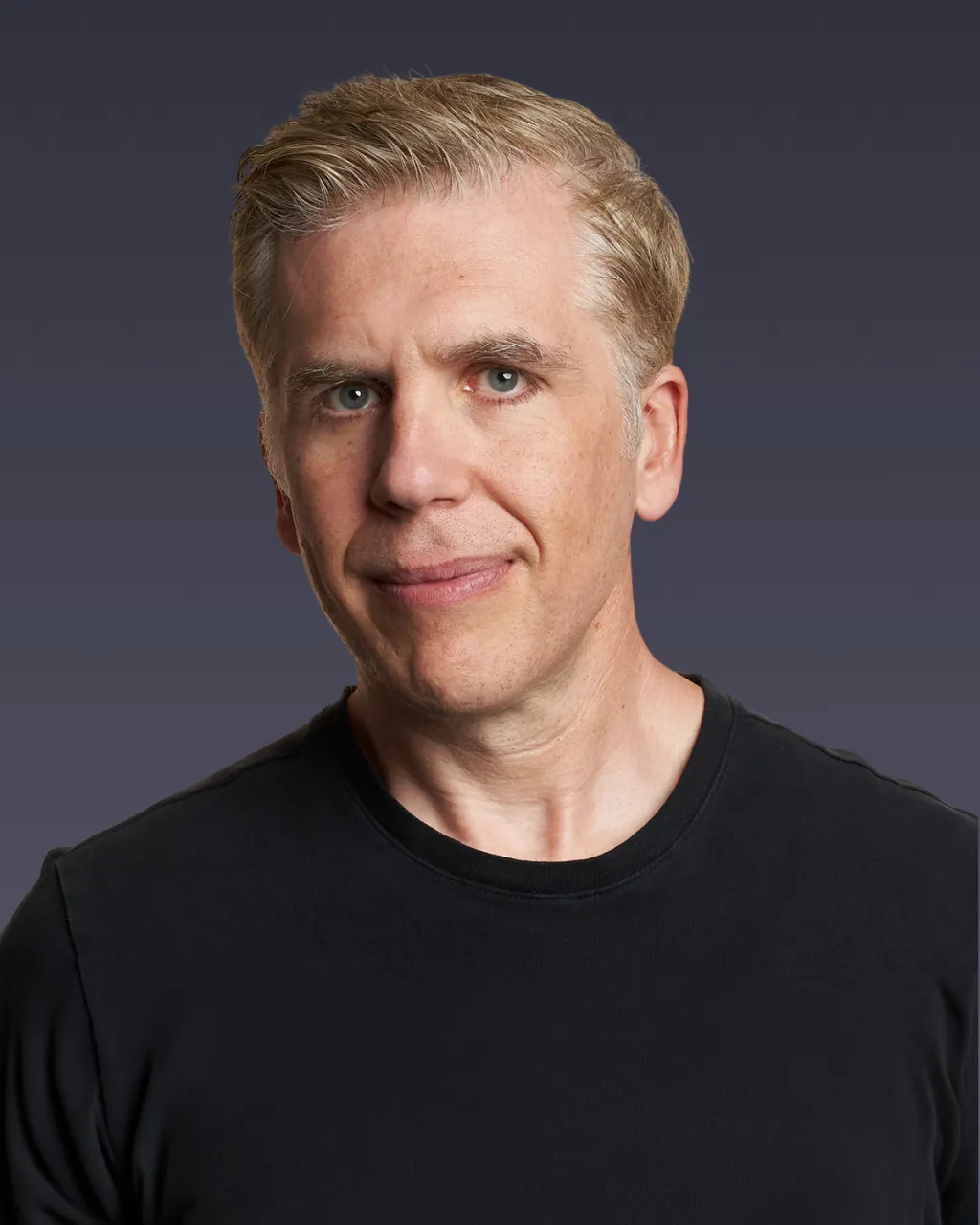
Applies machine learning to the gut microbiome for metabolic longevity. Previously SVP of engineering at HeartFlow, with more than 300 patents to his name.
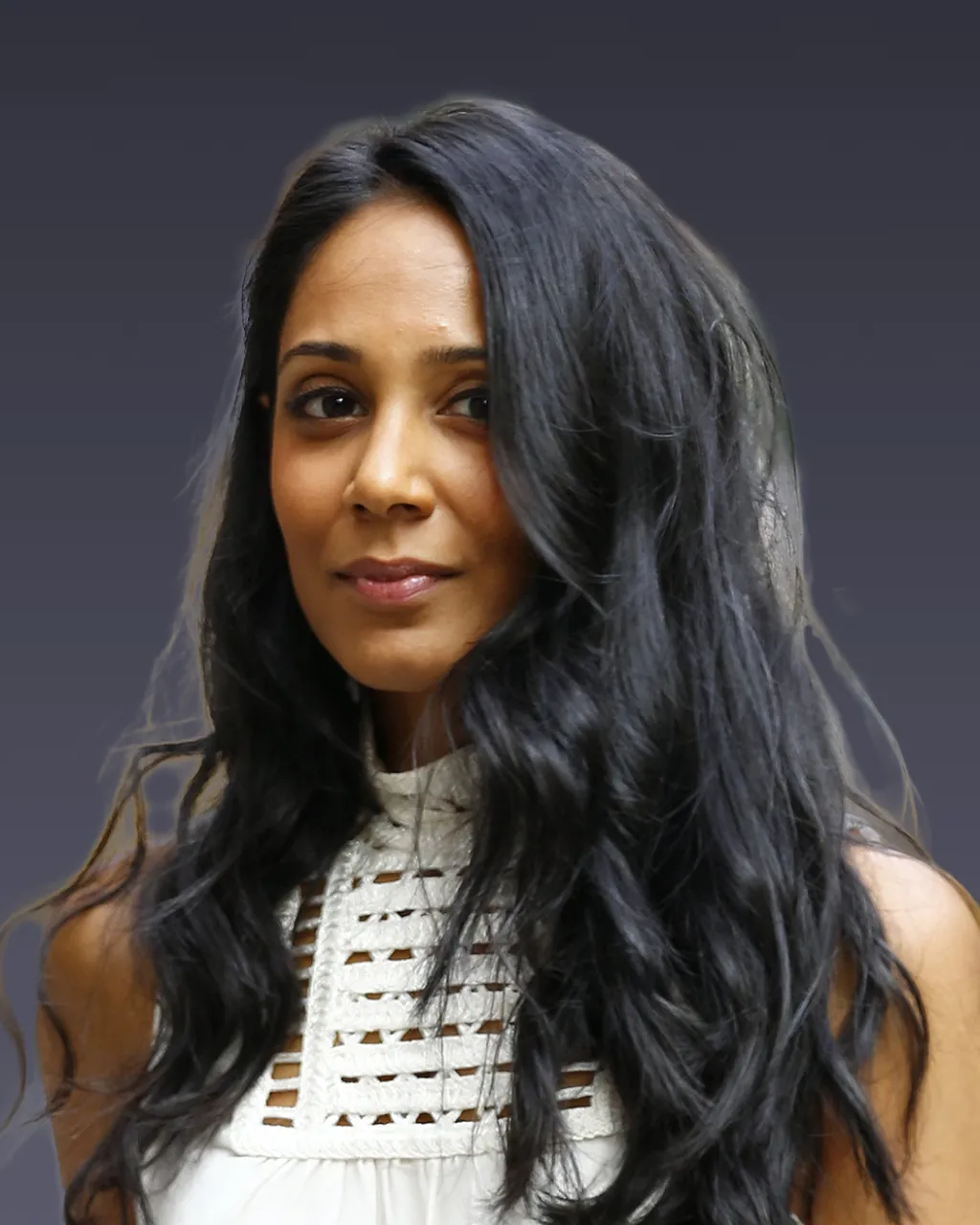
A board-certified lifestyle medicine physician and NAMS-certified menopause specialist whose telemedicine practice centers on hormone optimization and preventive primary care, and who founded Her Longevity, a women’s longevity conference by physicians, for physicians.
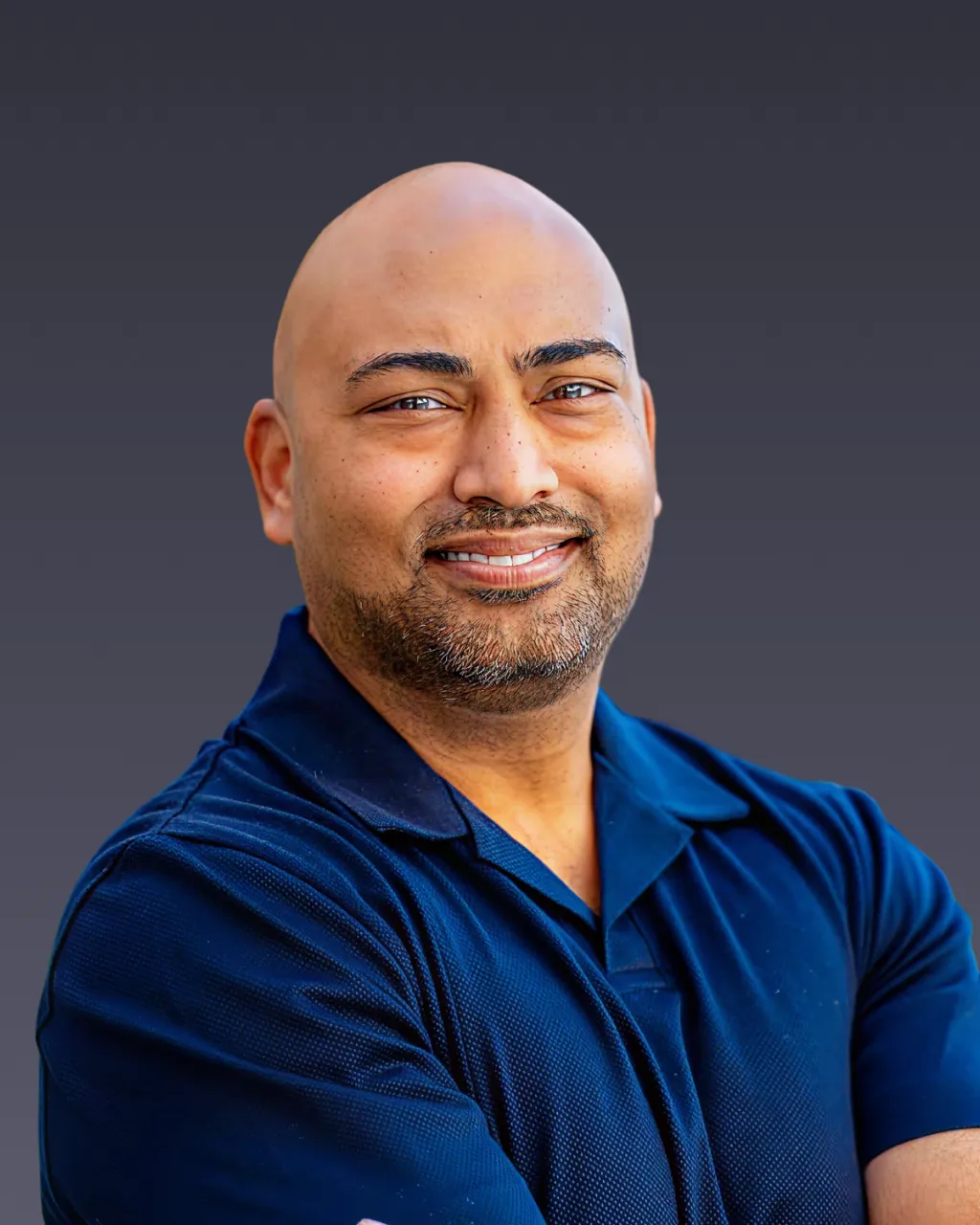
A board-certified physician at the intersection of precision medicine, longevity science, and human performance, with a clinical focus on multi-omic diagnostics — genomics, epigenomics, metabolomics, and microbiomics read together — to extend healthspan, not just lifespan.
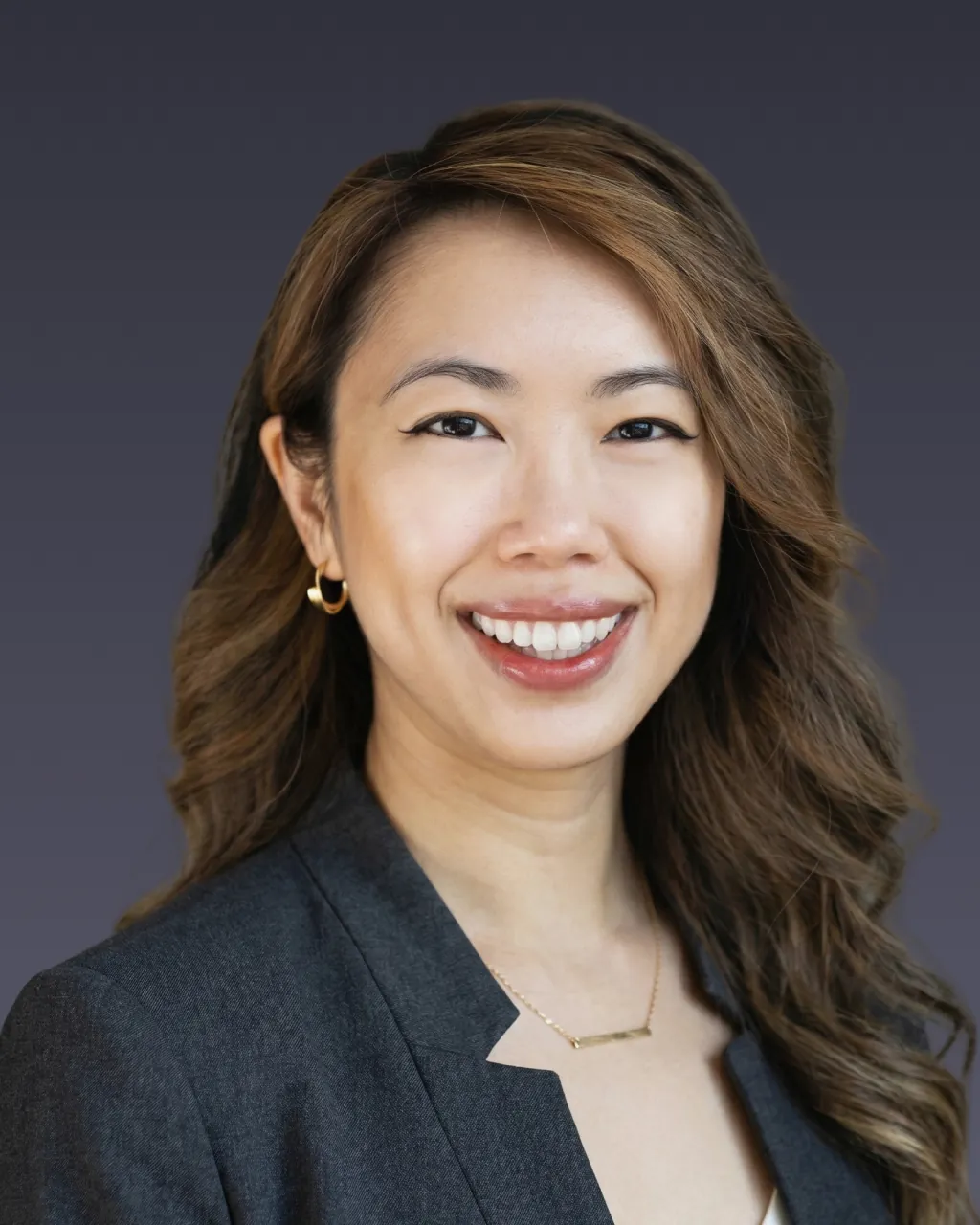
A Stanford-trained physician and longevity clinician who matched in hematology-oncology at Columbia before moving to the intersection of medicine and technology, where she now practices preventive and longevity medicine.
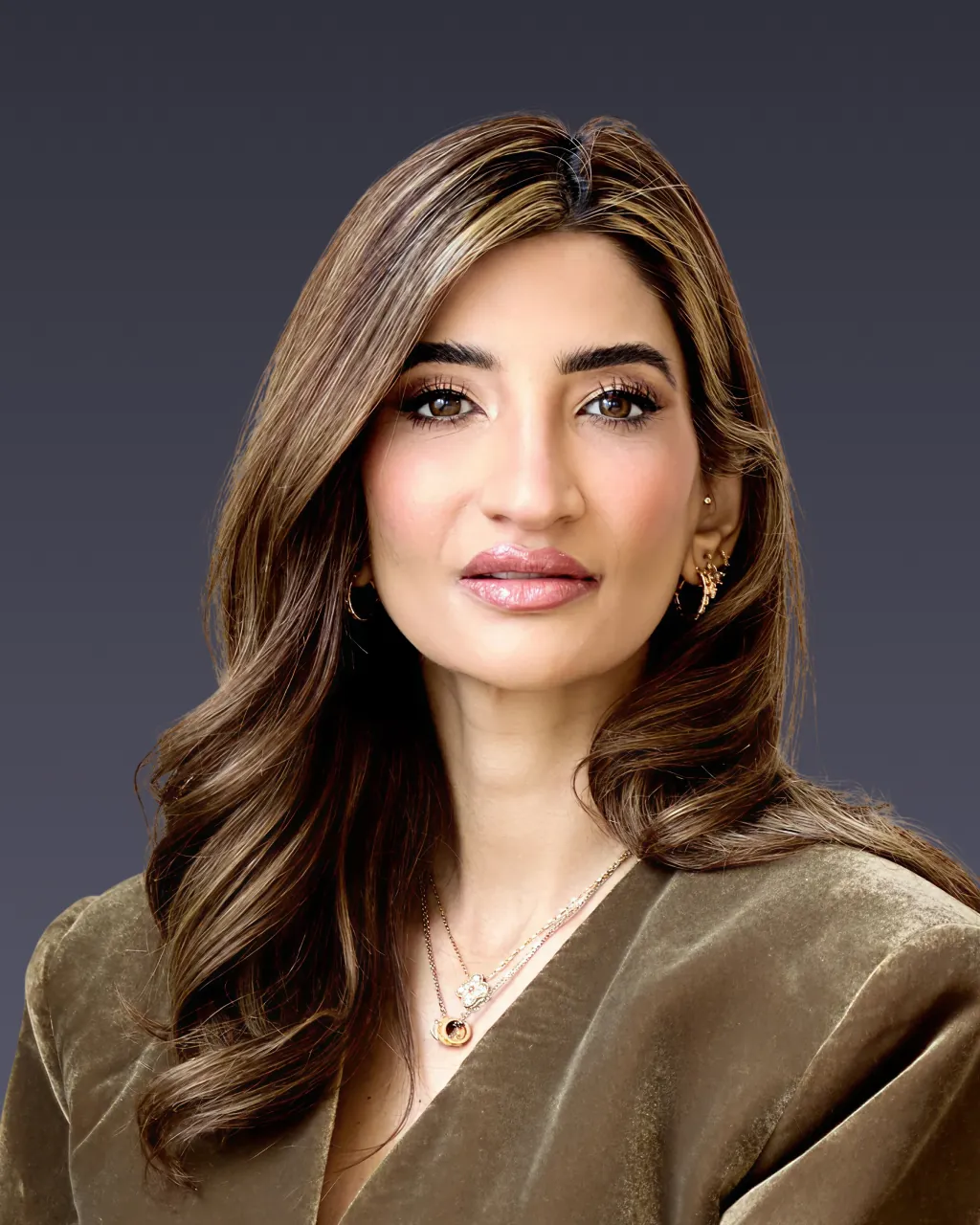
A double board-certified reproductive endocrinologist building clinical programs that bring a longevity lens to fertility and reproductive care.
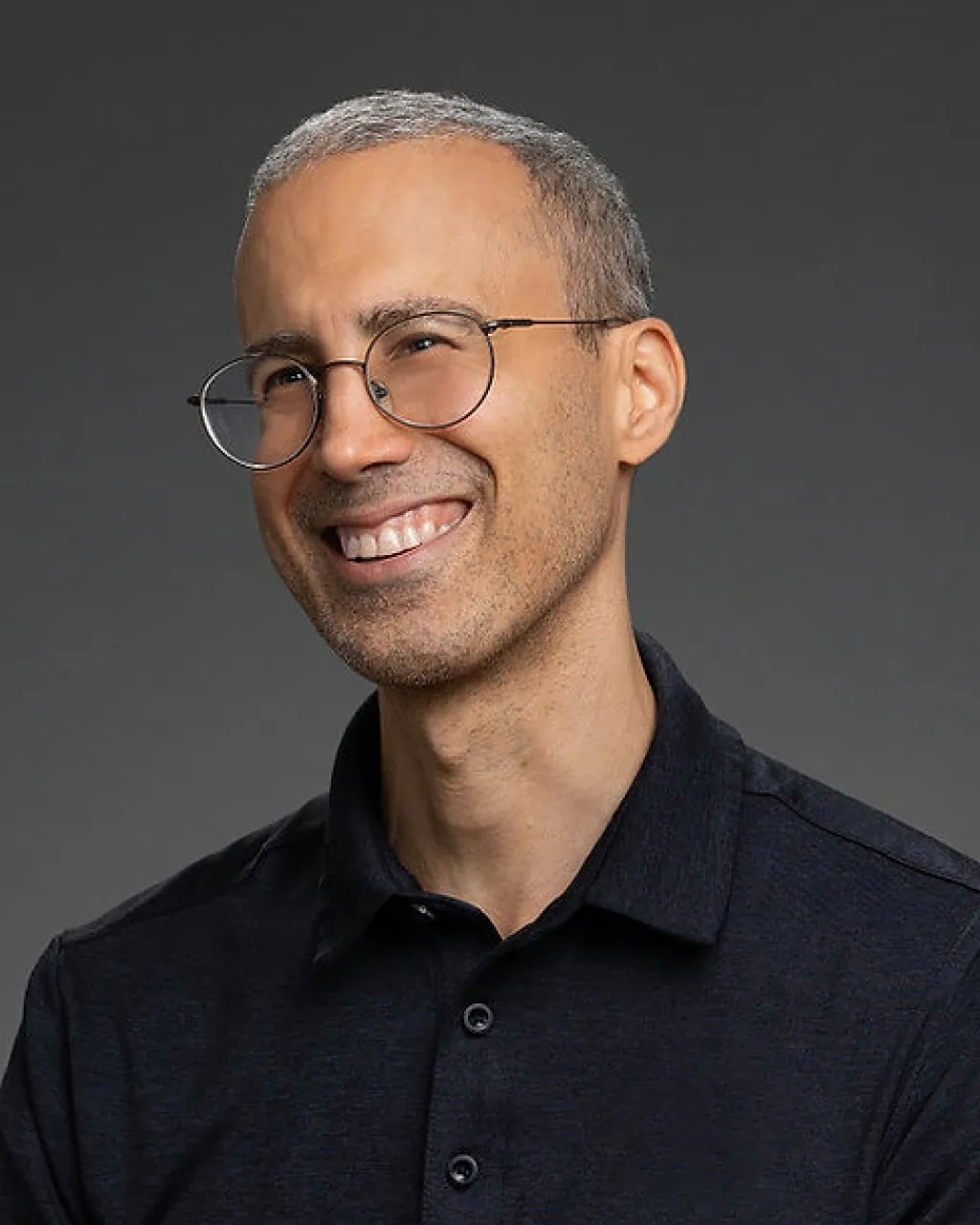
A longevity medicine physician and Harvard Medical School lecturer who advises clinicians and health systems on evidence-based healthspan strategy.
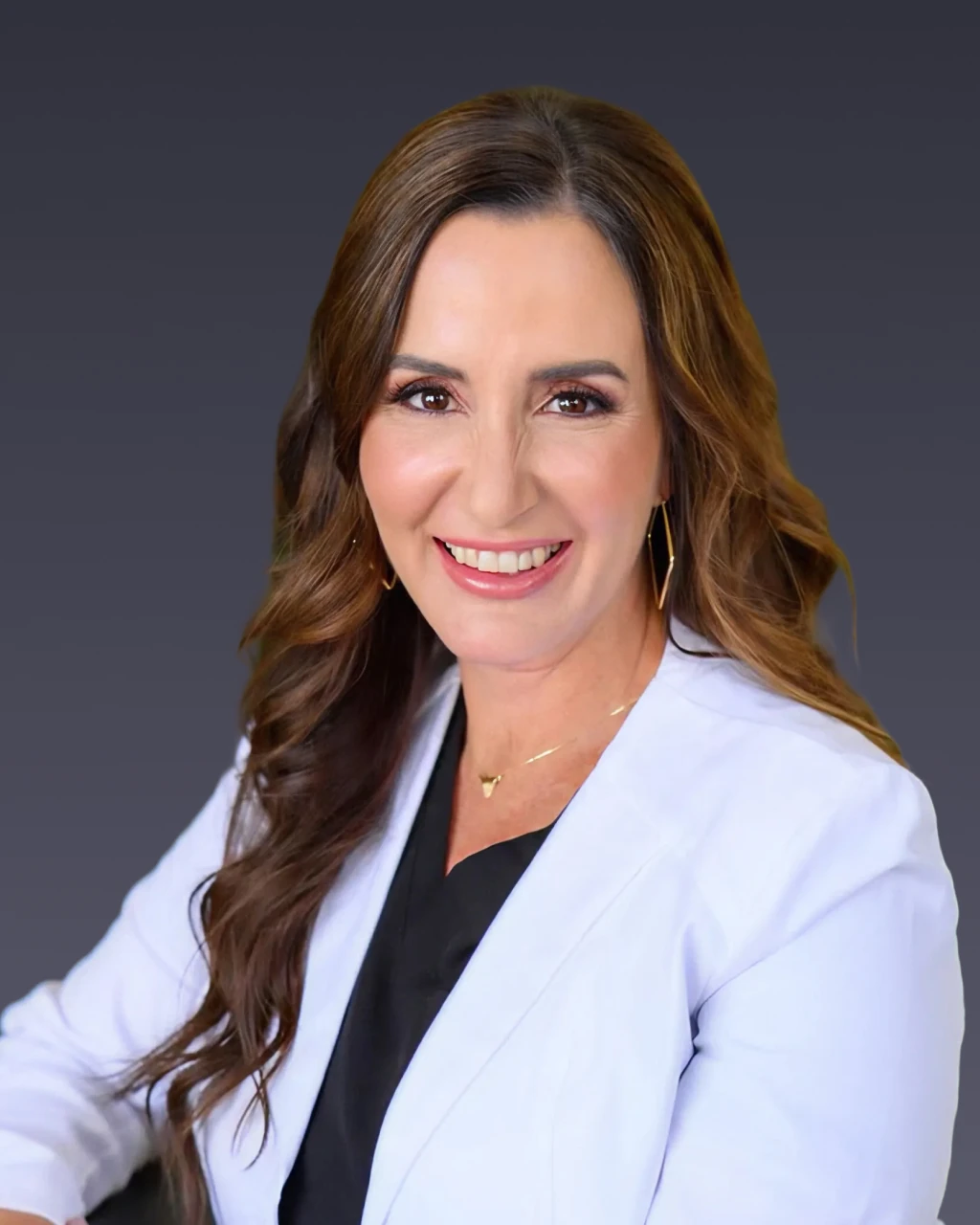
A board-certified physician in aesthetic medicine and co-founder of Alpha Aesthetics Partners.
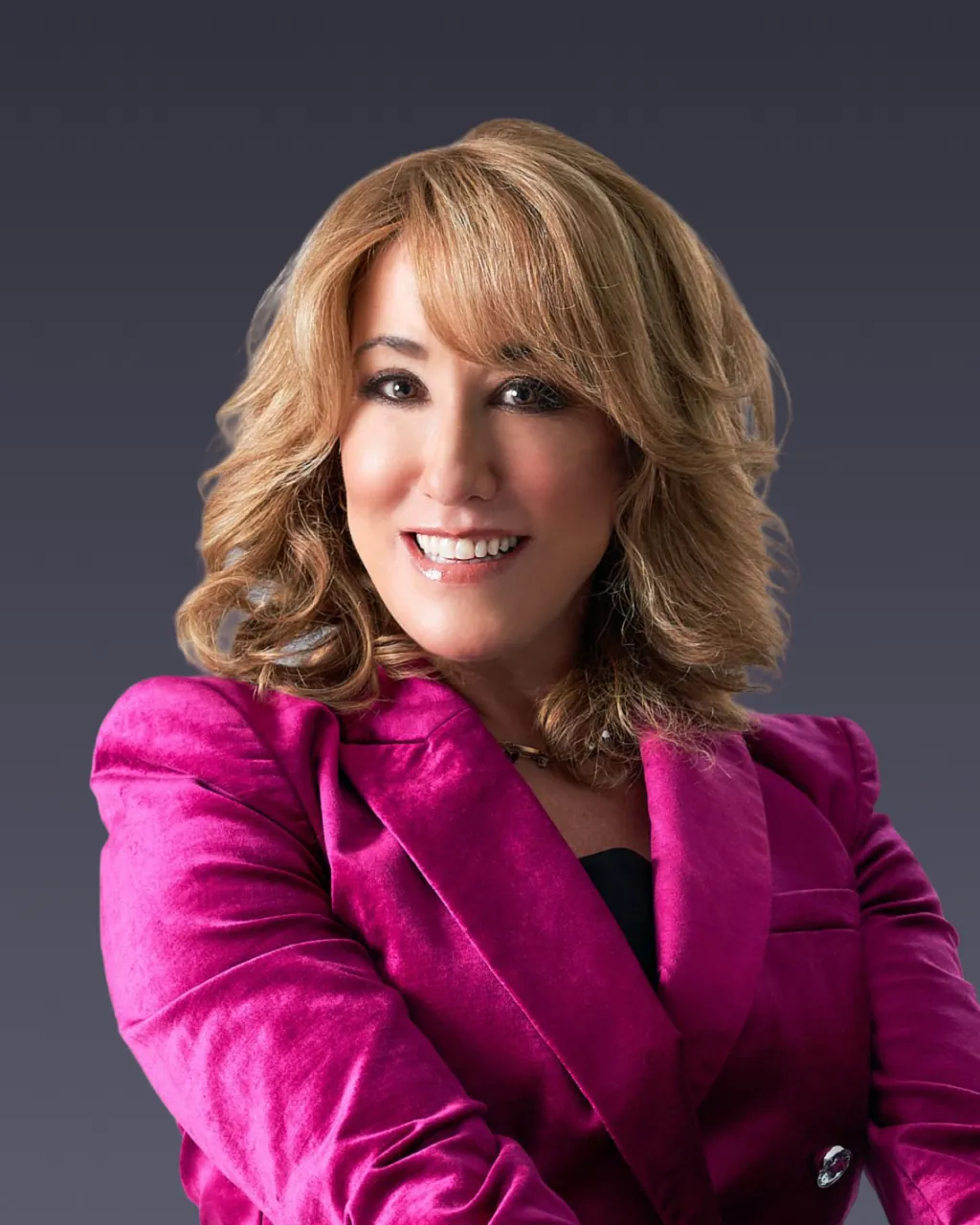
A preventive cardiologist whose career has centered on a single problem: a cardiovascular risk framework built on male physiology, still applied to women — and the clinical and technological work of closing that gap.
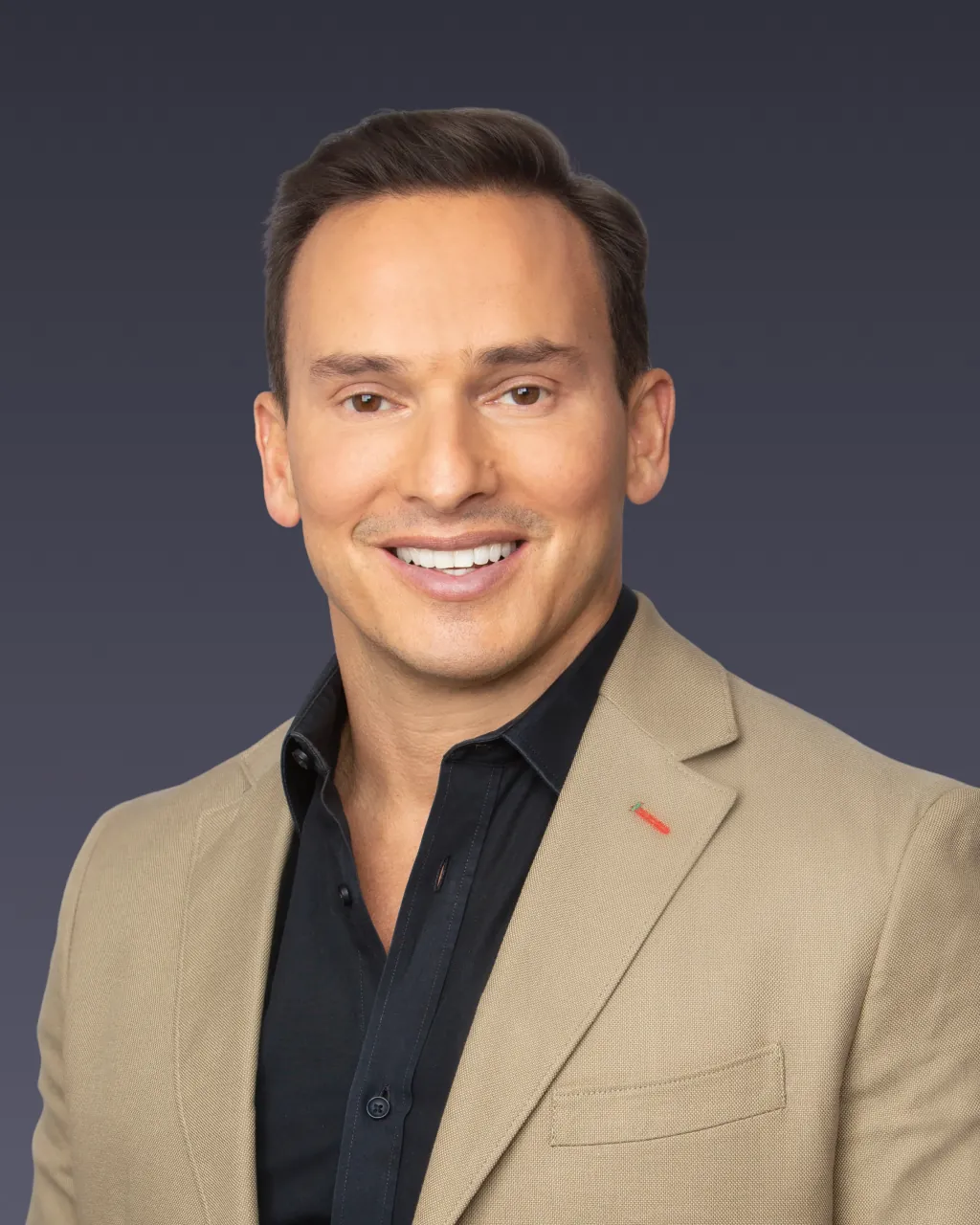
A DMD with nearly two decades in facial aesthetics, focused on regenerative, minimally invasive treatment — PRF, biostimulatory injectables, and facial balancing.
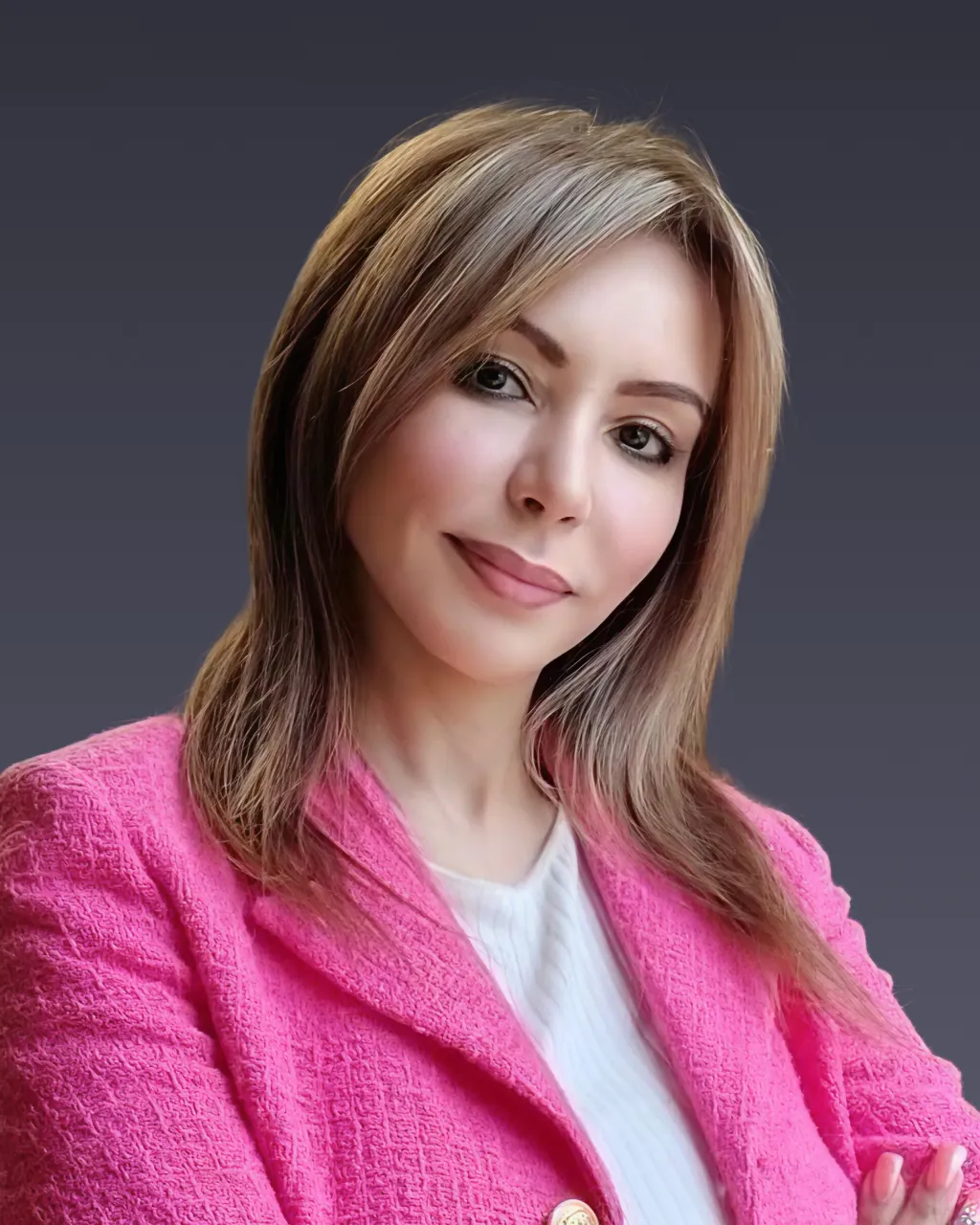
A board-certified anesthesiologist and aesthetic and regenerative medicine physician, Northwestern-trained, with subspecialty fellowships in critical care, pain management, and pharmacology.
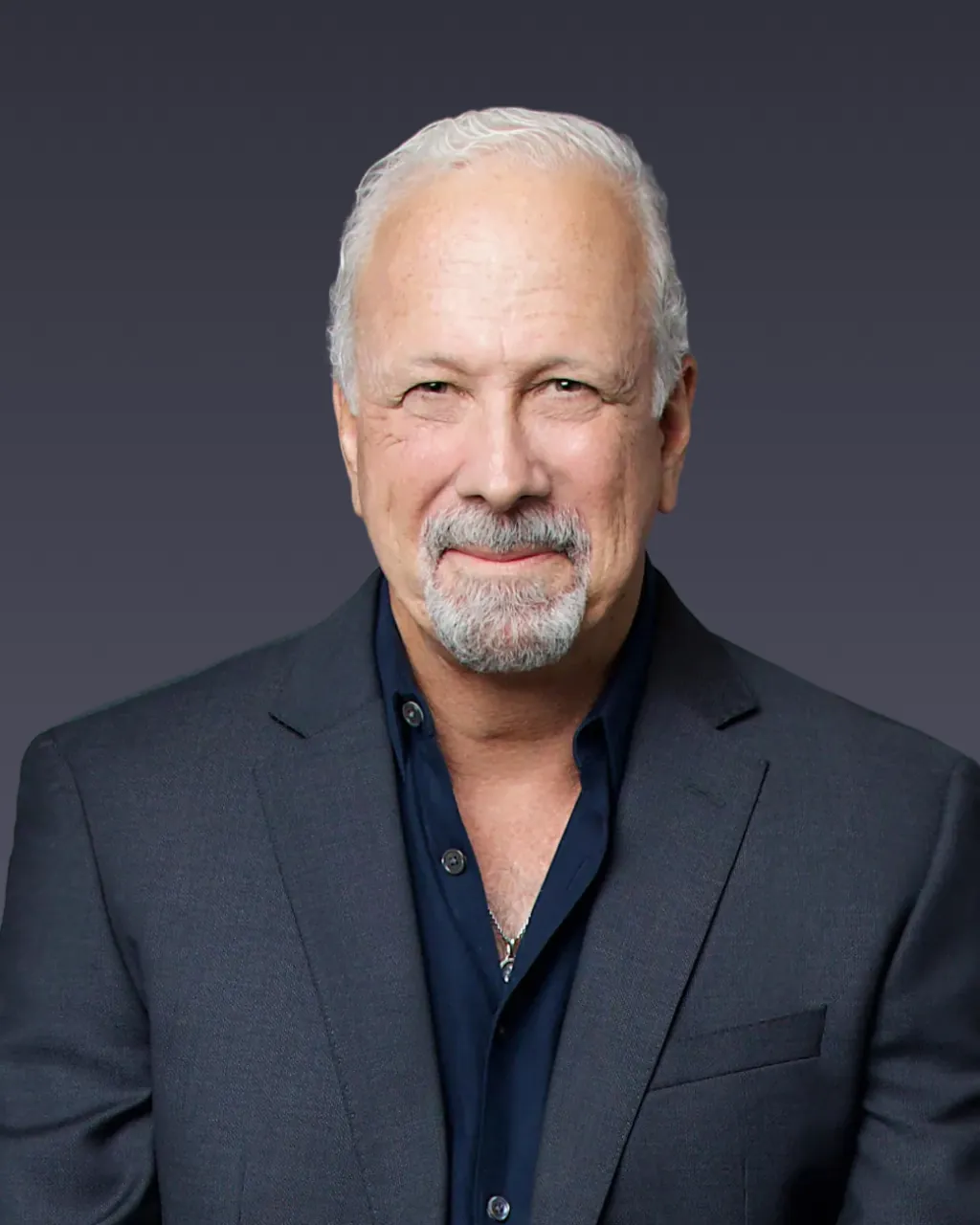
Nearly four decades advising physicians and healthcare organizations on regulatory compliance, corporate structure, and transactions. Former in-house counsel to the Florida Medical Association.
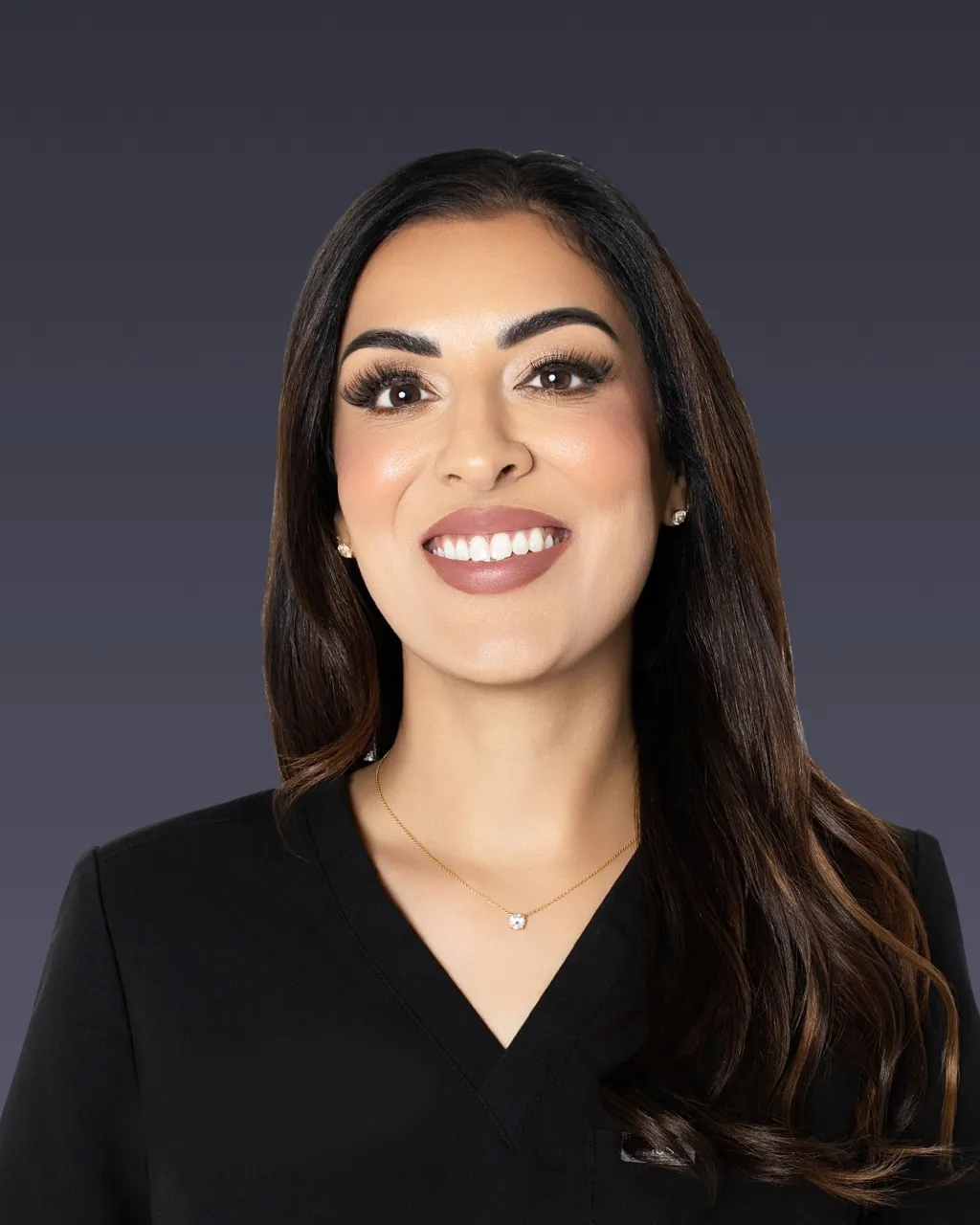
Double board-certified in internal medicine and obesity medicine, running a concierge longevity practice focused on metabolic health and body composition — with a clinical emphasis on preventing sarcopenia, including in patients on GLP-1 therapies.
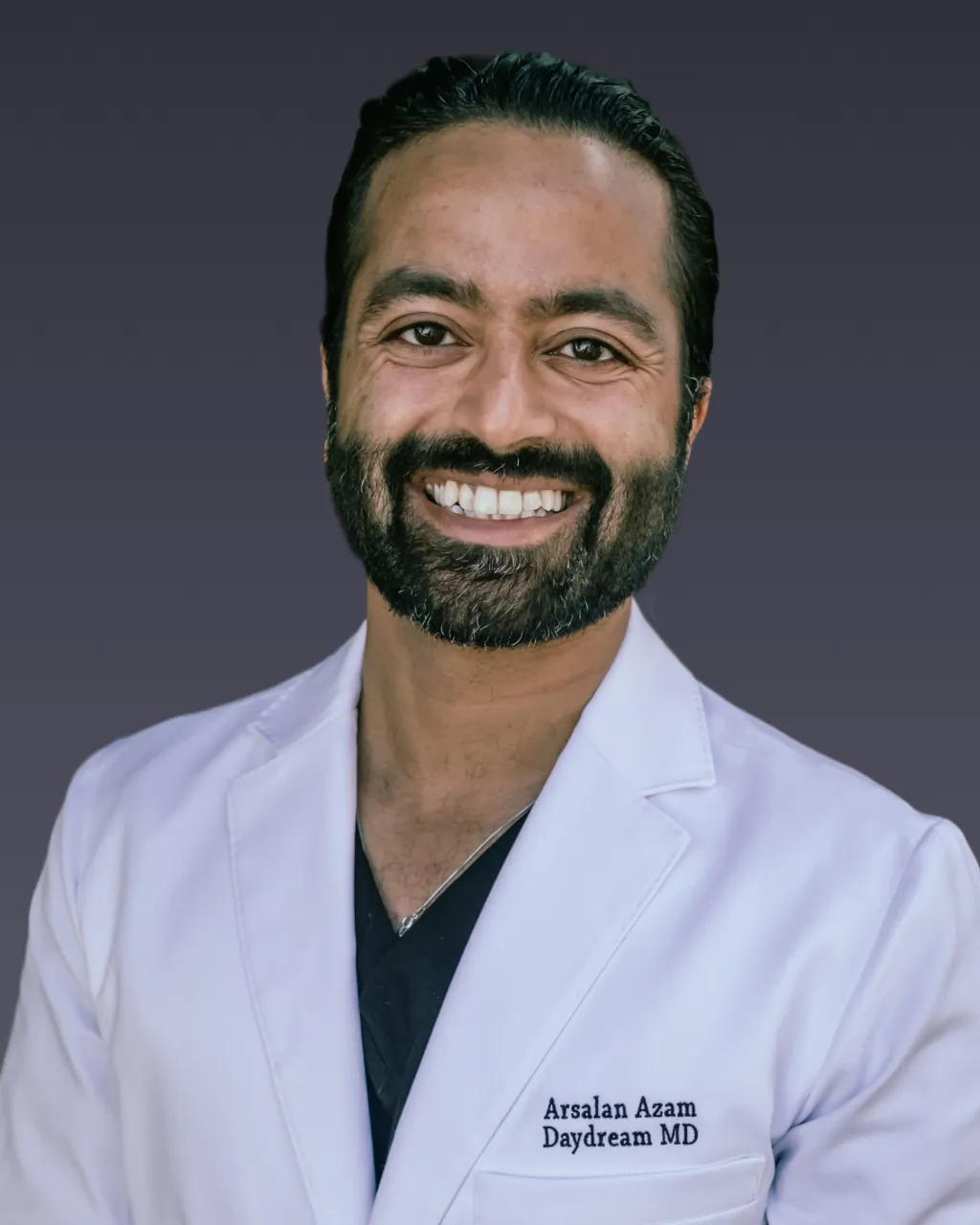
A board-certified emergency medicine physician whose work treats psychedelic and ketamine-assisted care as a discipline of durable behavior change — and links the frameworks behind lasting outcomes to longevity medicine.
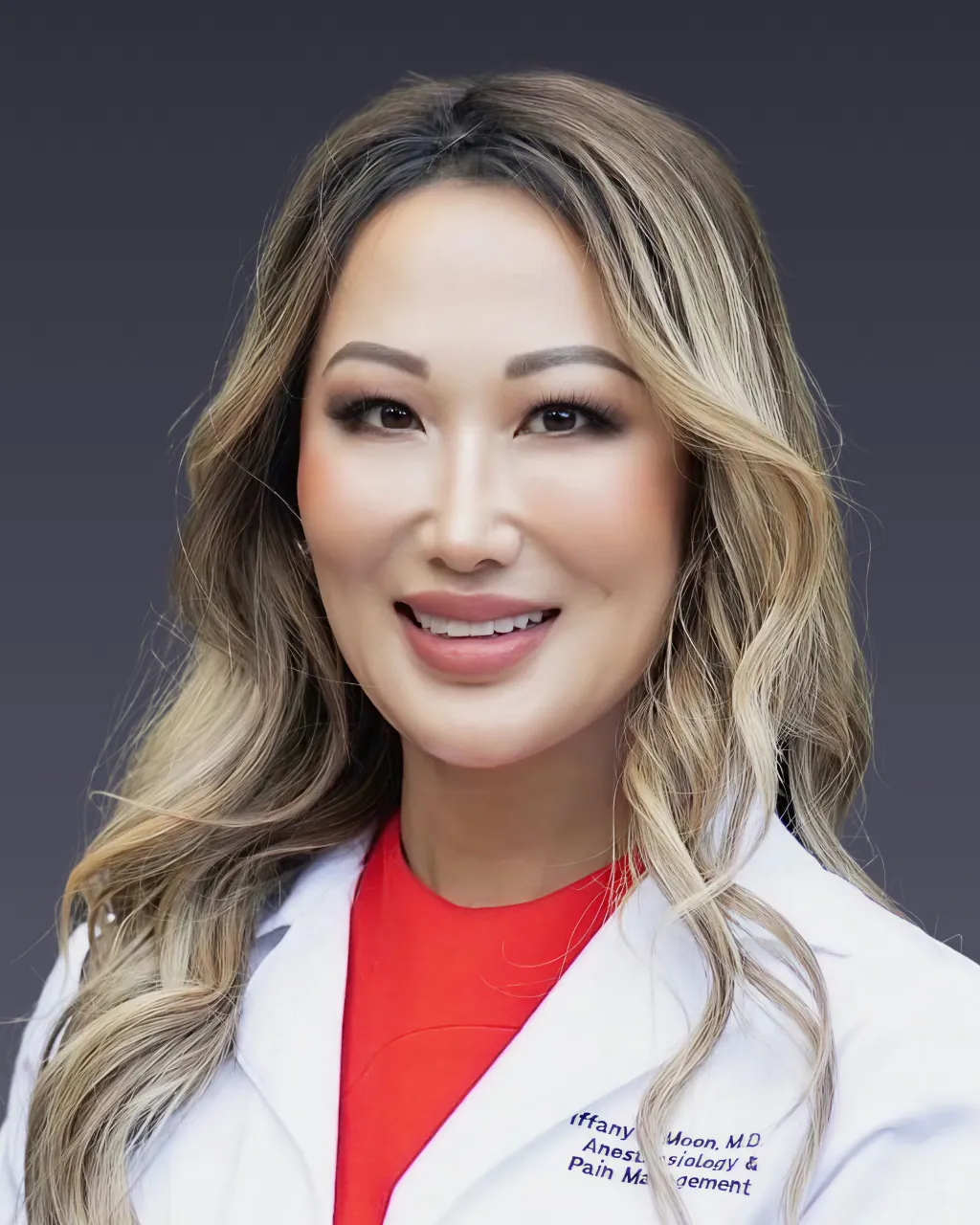
A board-certified anesthesiologist whose work treats clinical excellence and a sustainable career as one discipline rather than a trade-off — and who teaches clinicians to build practices that last.

A board-certified gastroenterologist who treats the gut as central to energy and longevity — with a clinical focus on the gut–brain axis, motility, and the hormonal shifts of perimenopause so often missed in midlife women.
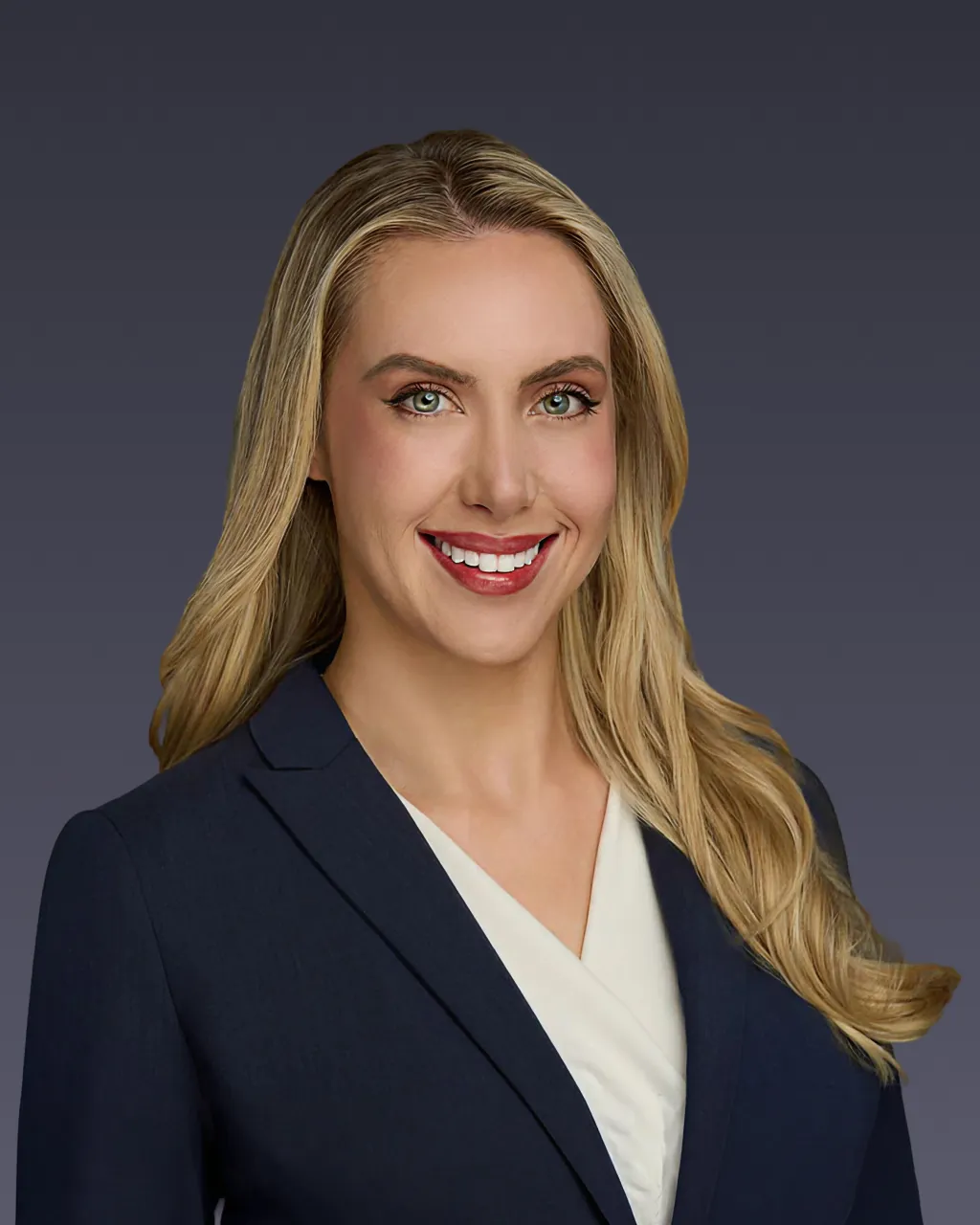
A healthcare attorney representing providers before state regulatory boards in licensing and disciplinary matters, and advising on FDA compliance — with a focus on the documentation and consent infrastructure behind emerging therapies. She came to law from inside a Florida health system: strategy, operations, and early telehealth.
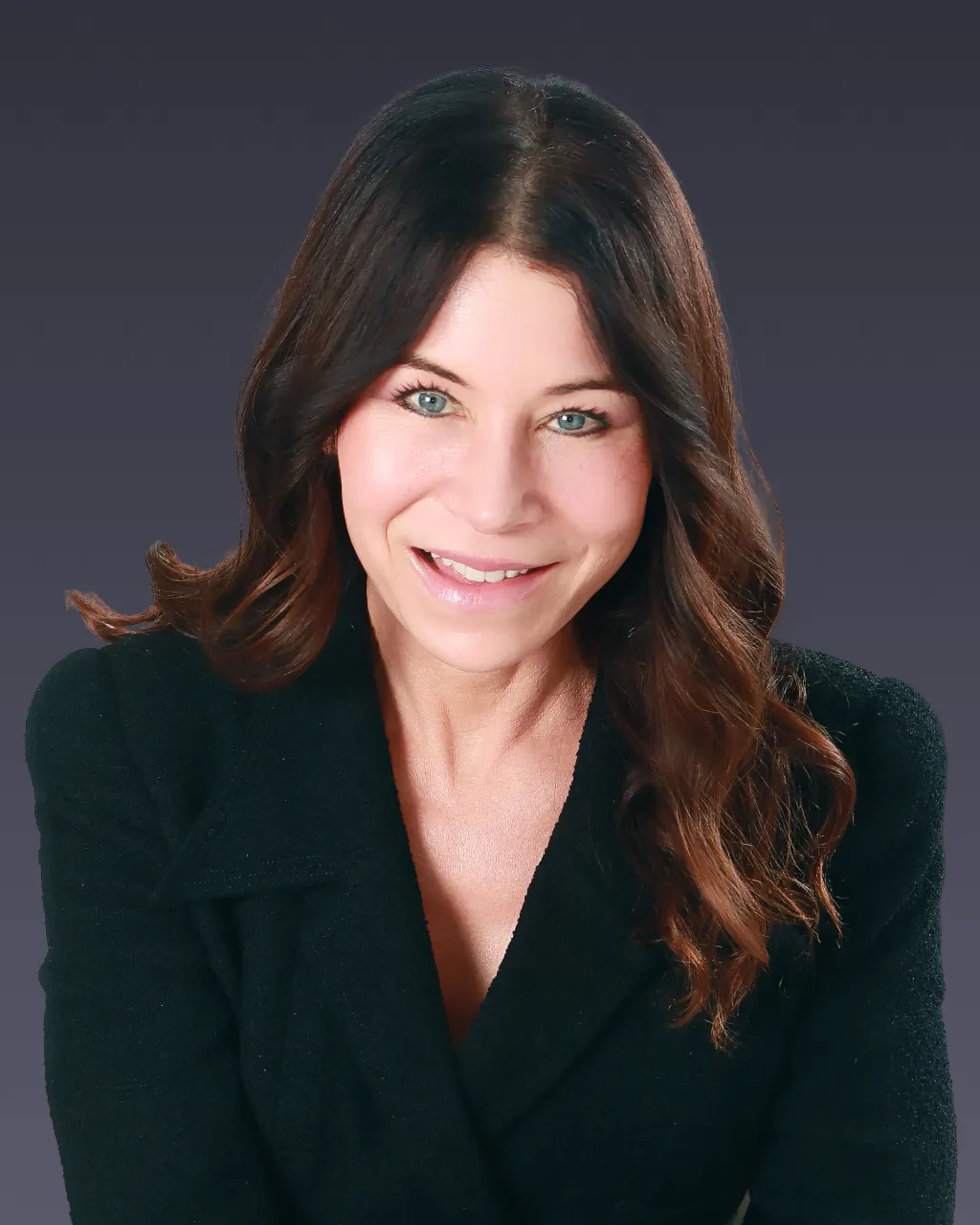
A board-certified dermatologist with more than two decades across medical, cosmetic, and surgical dermatology, practiced as a U.S. Navy officer and in private practice.
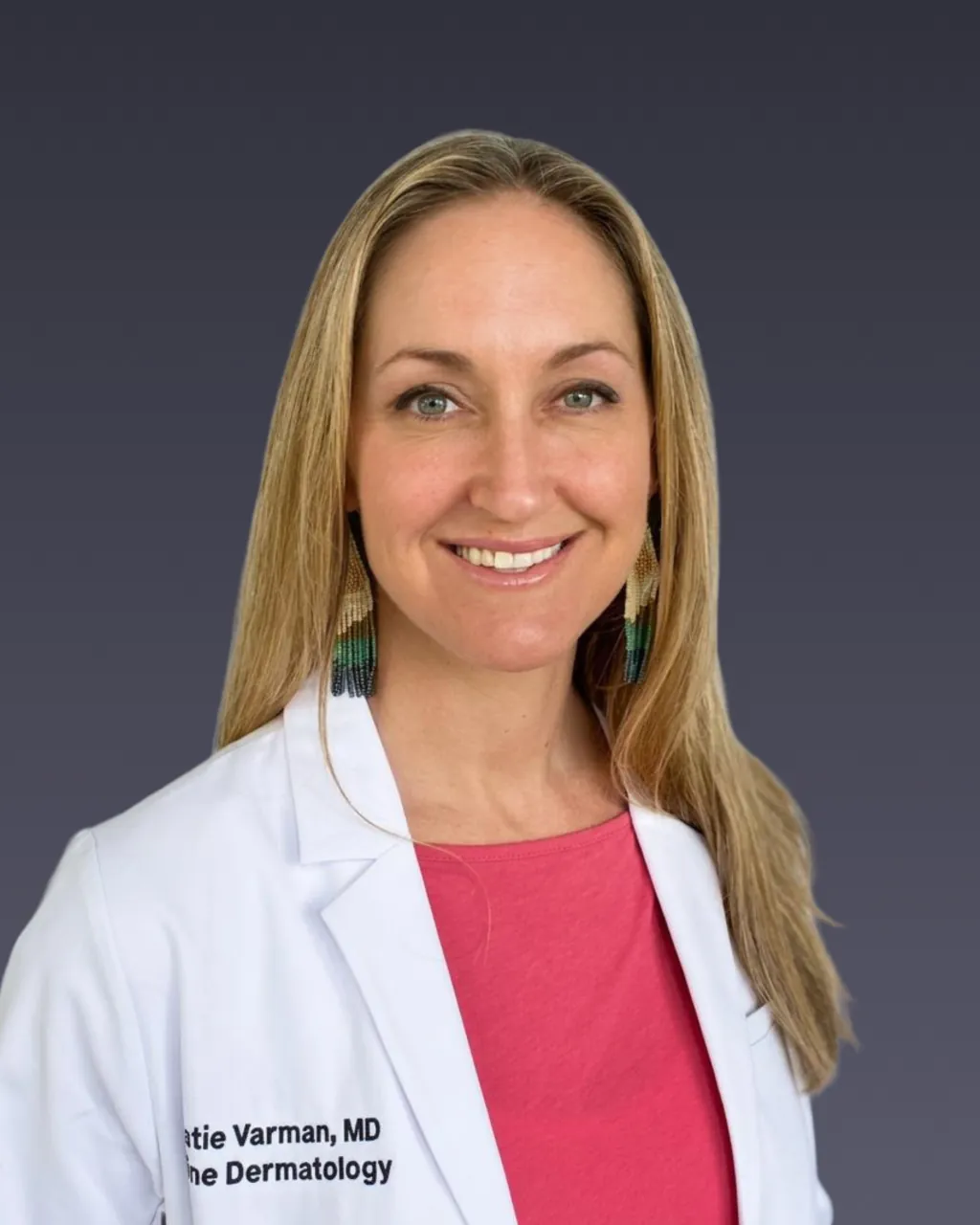
A board-certified dermatologist and founder of Shine Functional Dermatology, with a clinical focus on photoimmunology and the gut–skin axis — how nutrition, the gut microbiome, and systemic health shape cellular tolerance to ultraviolet radiation.
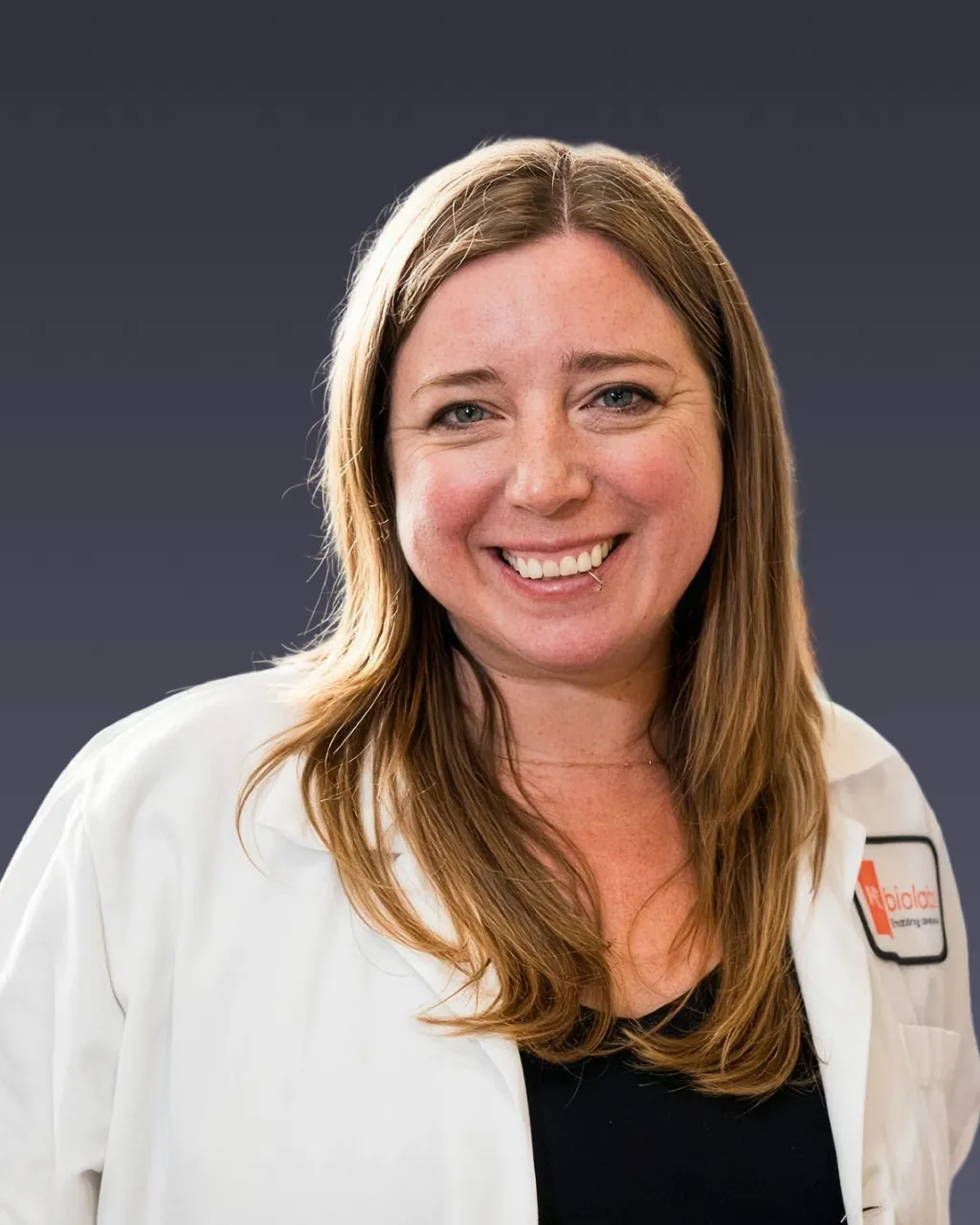
A neuroscientist and physician-scientist who applies predictive modeling to brain aging, and founder of the nonprofit Longevity Global.
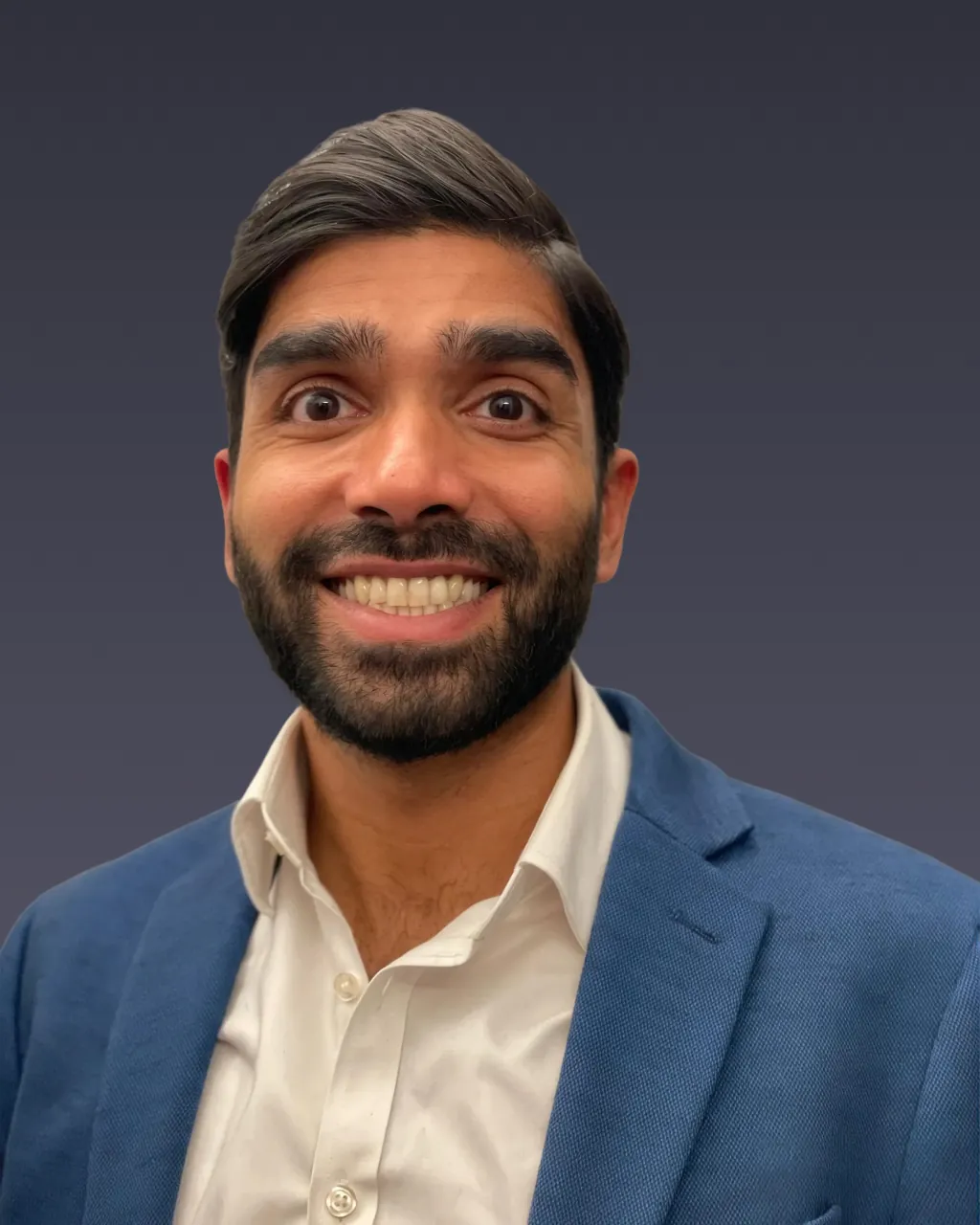
Board-certified in family medicine and clinical informatics, with fifteen-plus years building health-tech, device, and AI startups — including Sherbit Health, acquired by Huma. Now focused on upstream, precision longevity care.
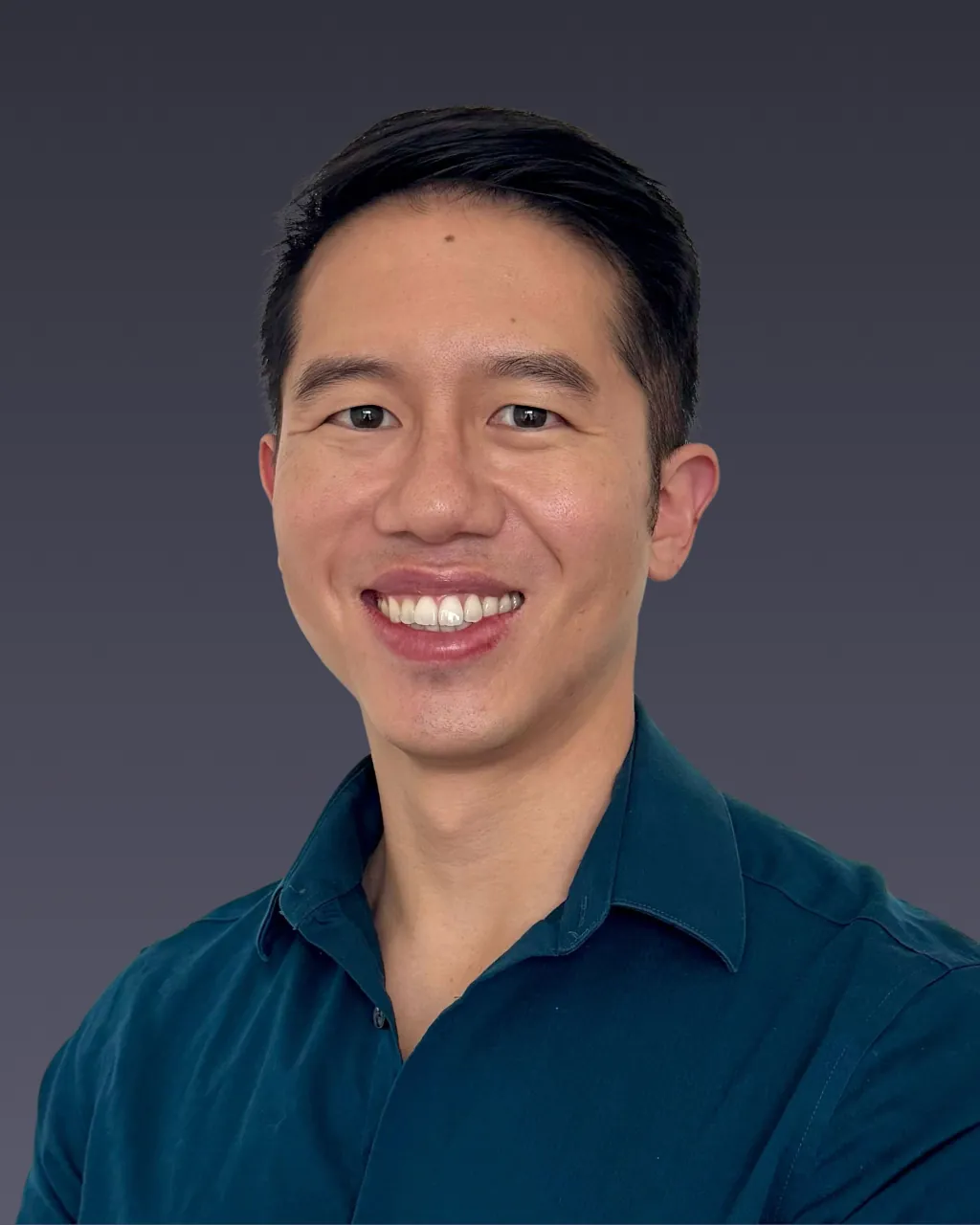
Founding Medical Director of Peak Health, a San Francisco precision longevity practice, where he leads clinical care, protocol development, and the membership and governance infrastructure behind membership-based longevity medicine. Previously practiced at Biograph.
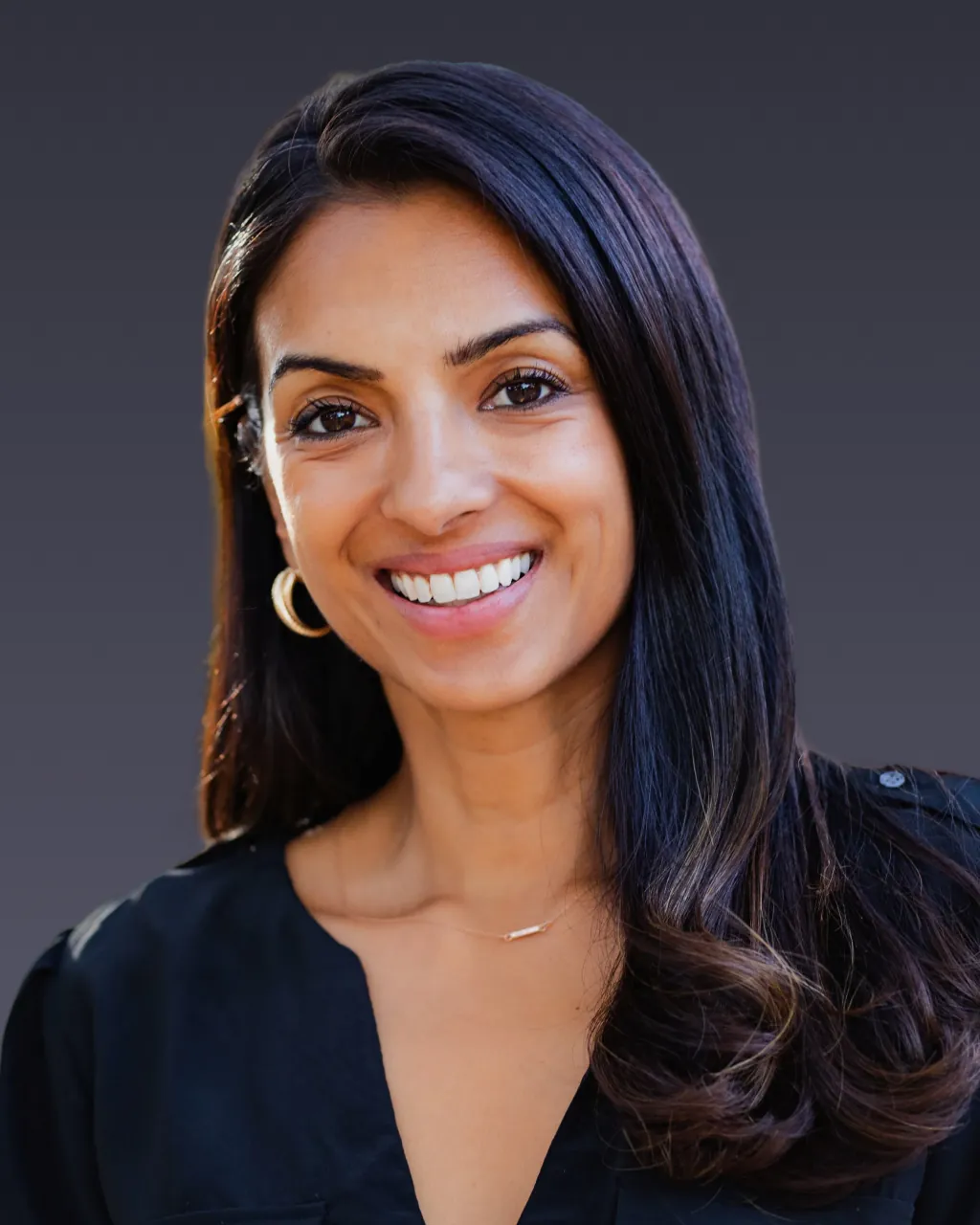
An AI product leader who built consumer and AR products at Meta — most recently leading AI experiences for smart glasses, after product roles across Oculus, Facebook Growth, and Lumosity — before founding Ultralight, which builds software for clinicians running personalized-medicine practices.
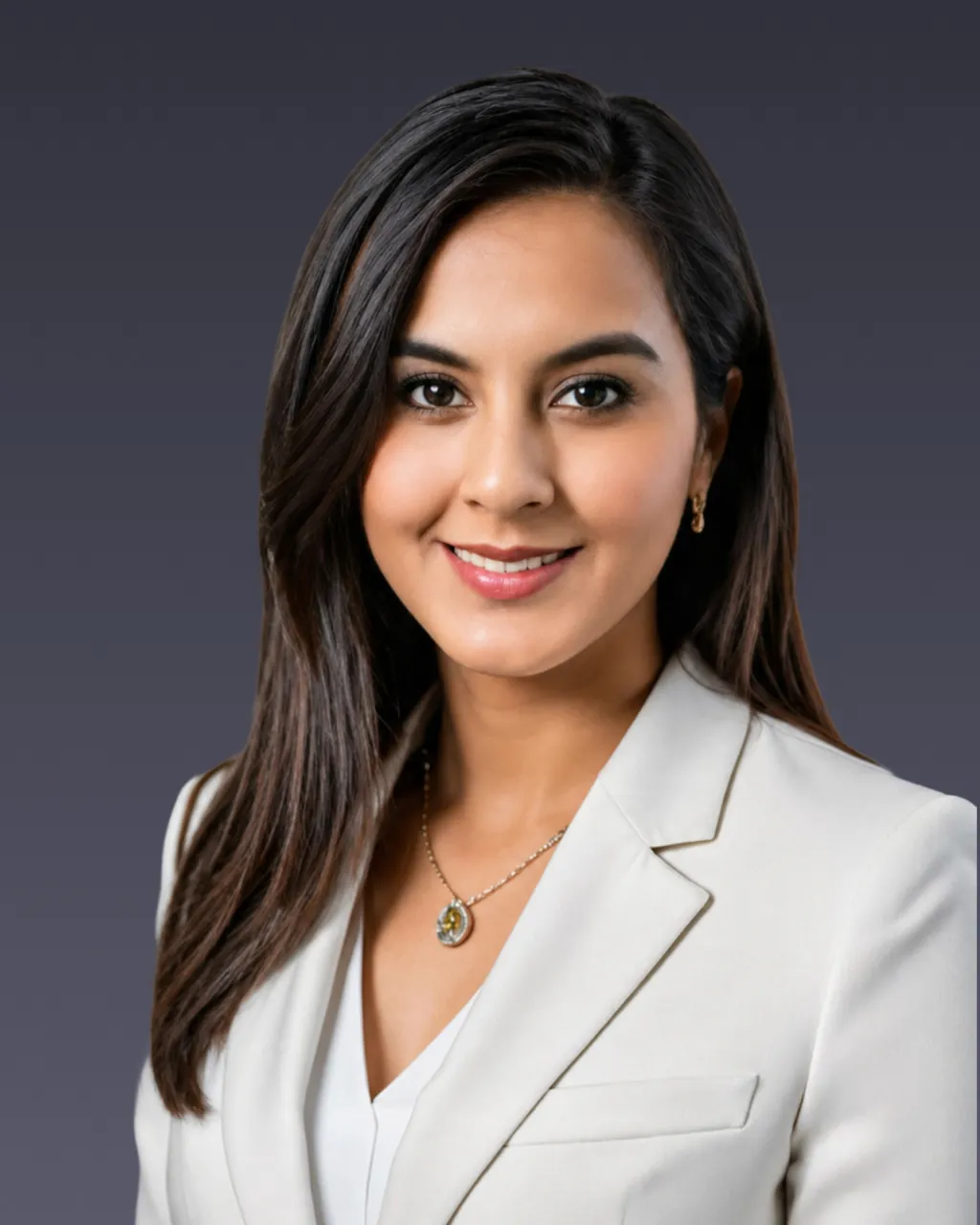
Double board-certified in pain medicine and in physical medicine and rehabilitation, whose interventional practice pairs musculoskeletal ultrasound and regenerative orthobiologics with objective performance measurement to preserve function across the lifespan.
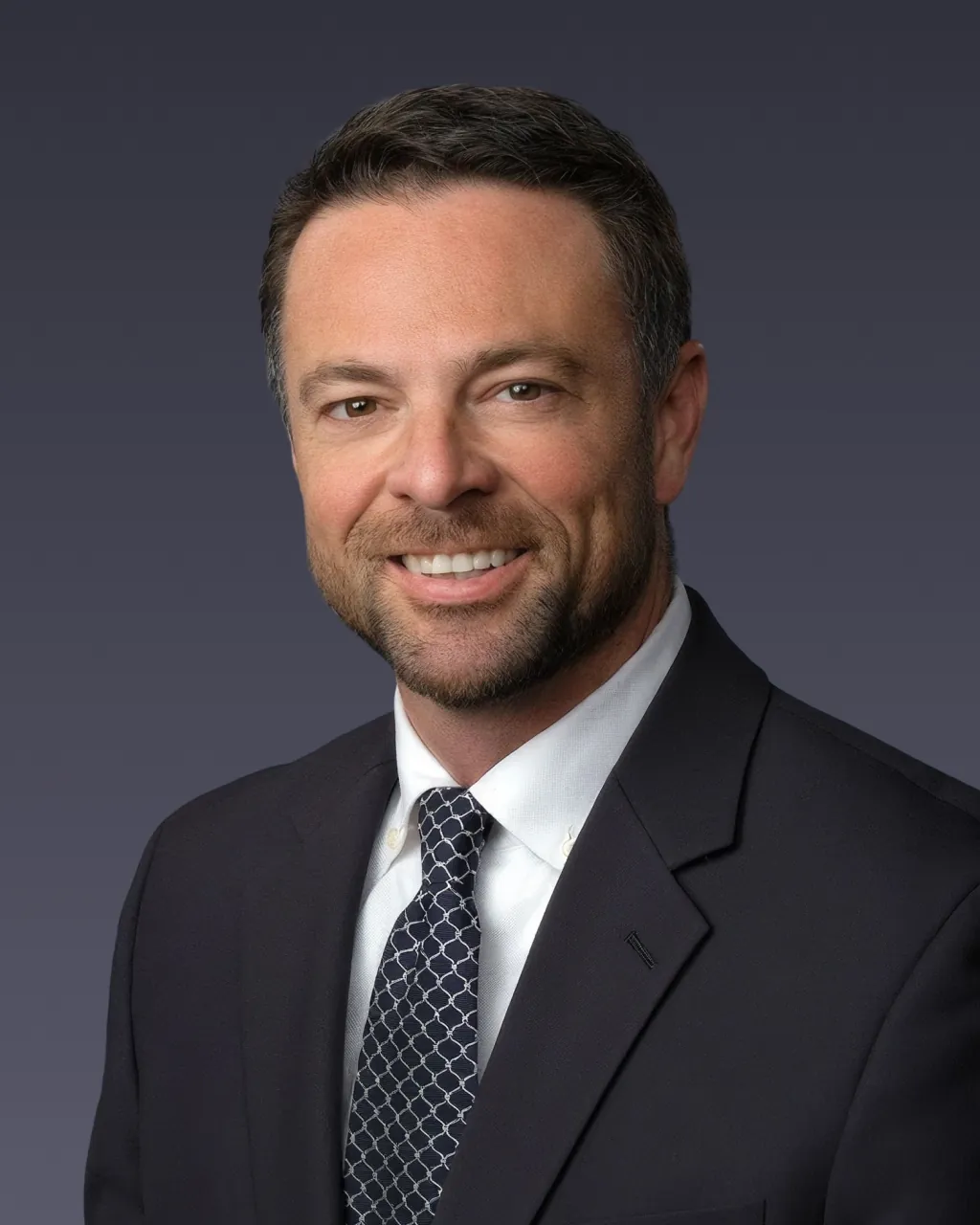
Board-certified in physical medicine and rehabilitation, treating musculoskeletal, spine, and joint pain without surgery — and running a regenerative practice built on FDA-compliant, evidence-graded protocols.
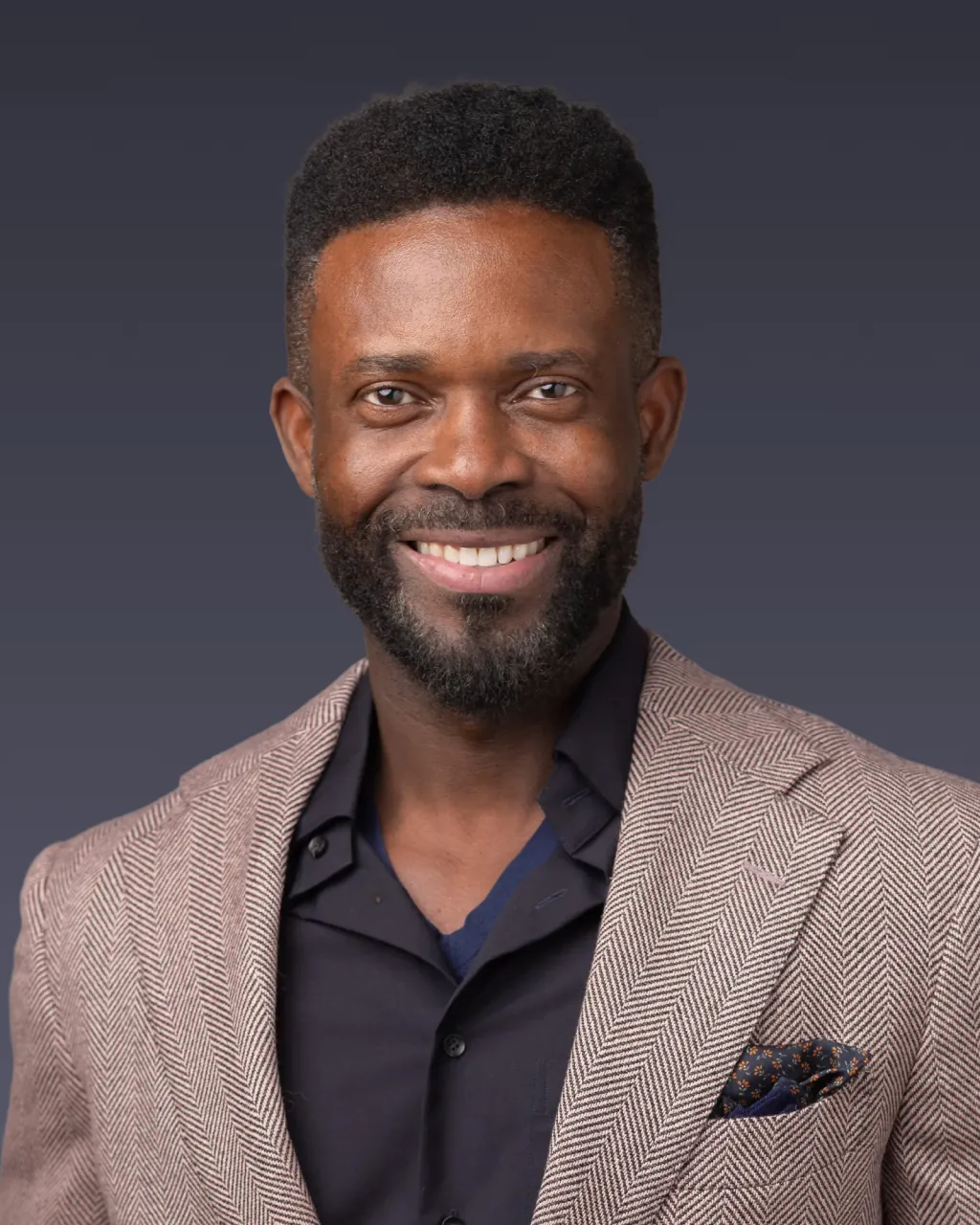
A physical medicine and rehabilitation physician whose practice blends pain, regenerative, and longevity medicine. He is a voting member of the FDA's Pharmacy Compounding Advisory Committee, which decides which peptides compounding pharmacies can make. He brings that regulatory-insider view to the clinical use of peptides.
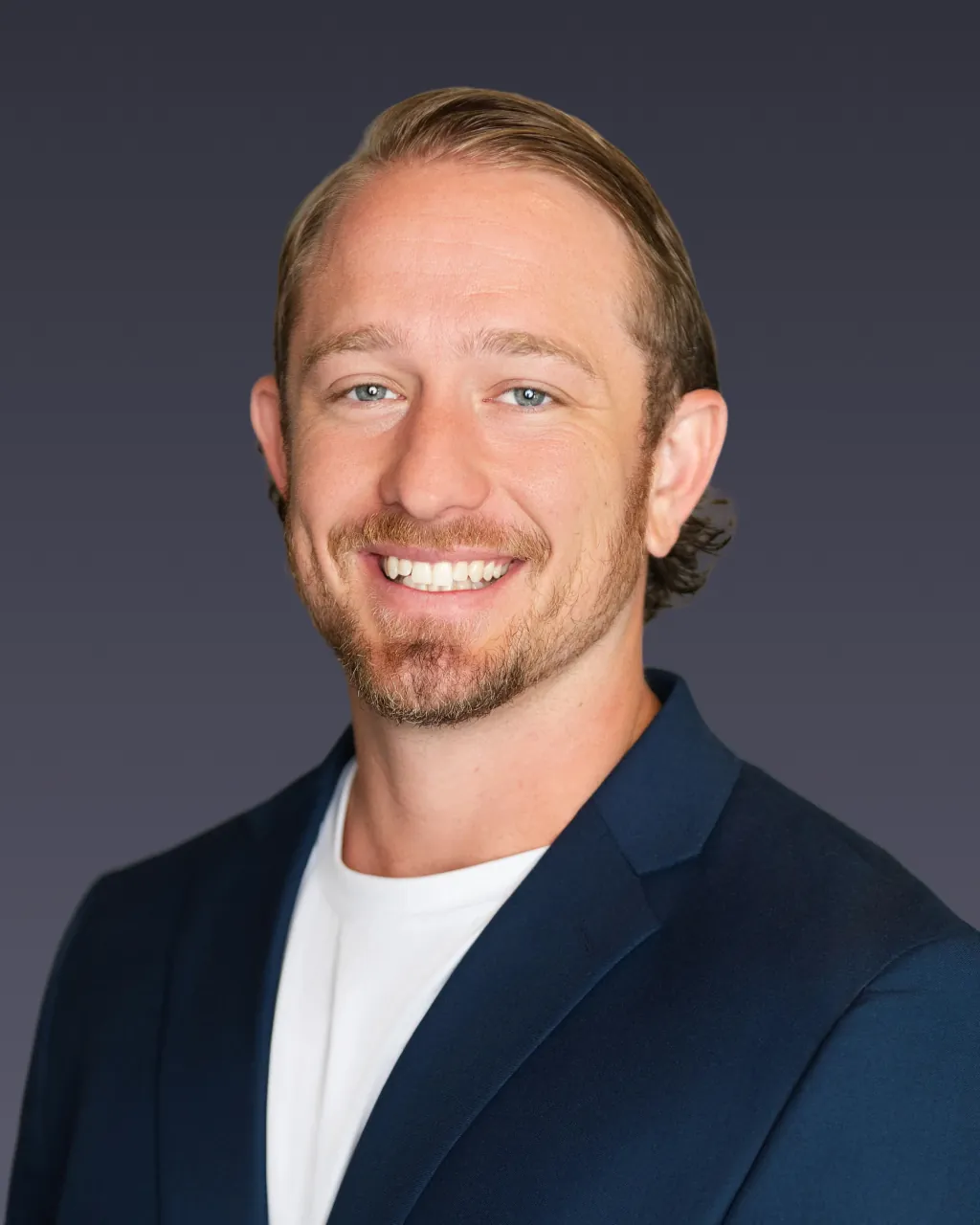
A clinical pharmacist focused on pharmacogenomics and peptide therapeutics, translating genomic and metabolic profiles into individualized treatment protocols — with prior clinical roles in compounding pharmacy and longevity practice.
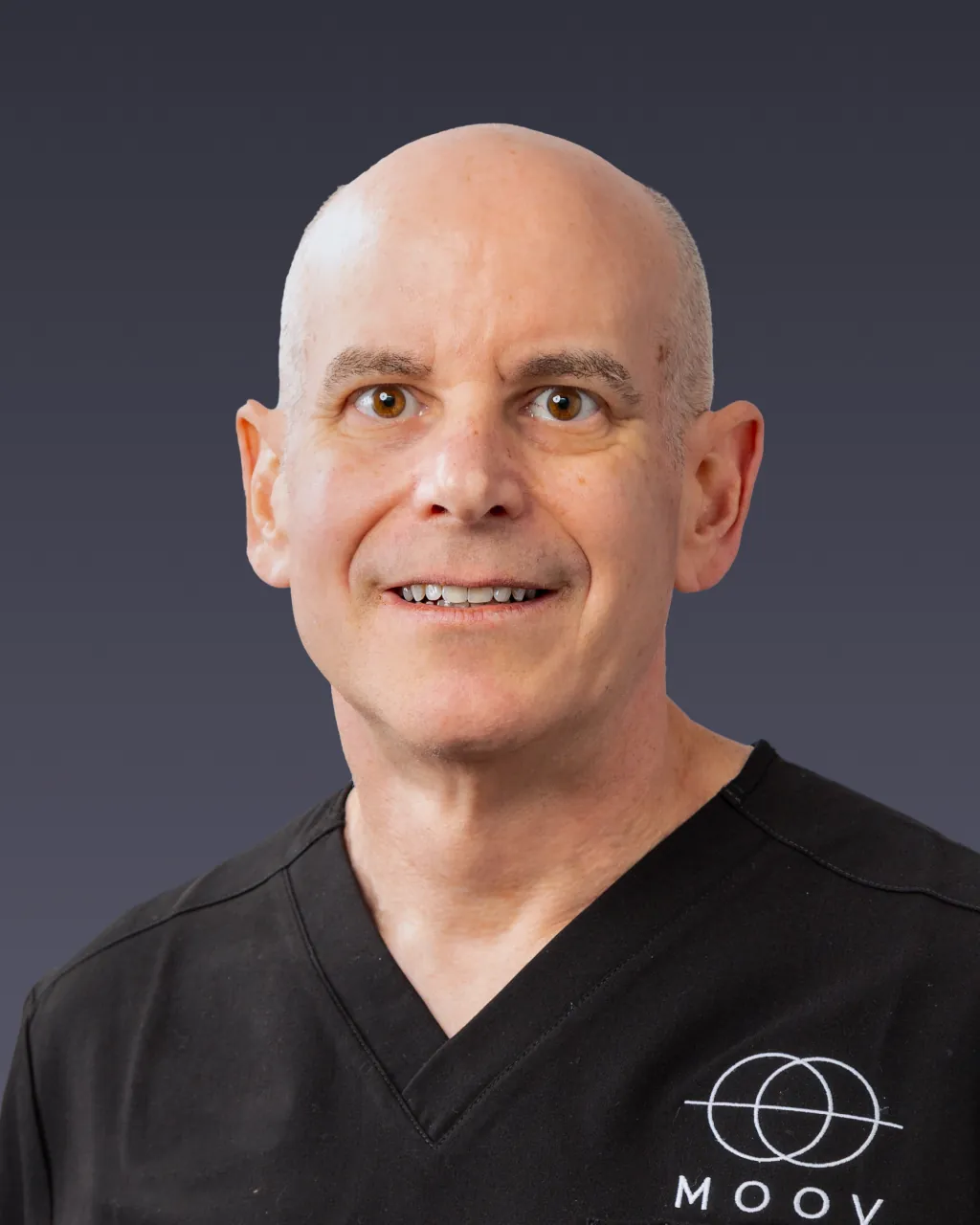
A dual board-certified emergency physician and clinical lipidologist who spent nearly three decades treating cardiovascular emergencies — and turned that experience toward catching risk years before the event. His work centers on advanced lipid and inflammatory risk assessment: lipoprotein(a), ApoB, coronary artery calcium, and the elevated-risk patients a standard cholesterol panel misses.
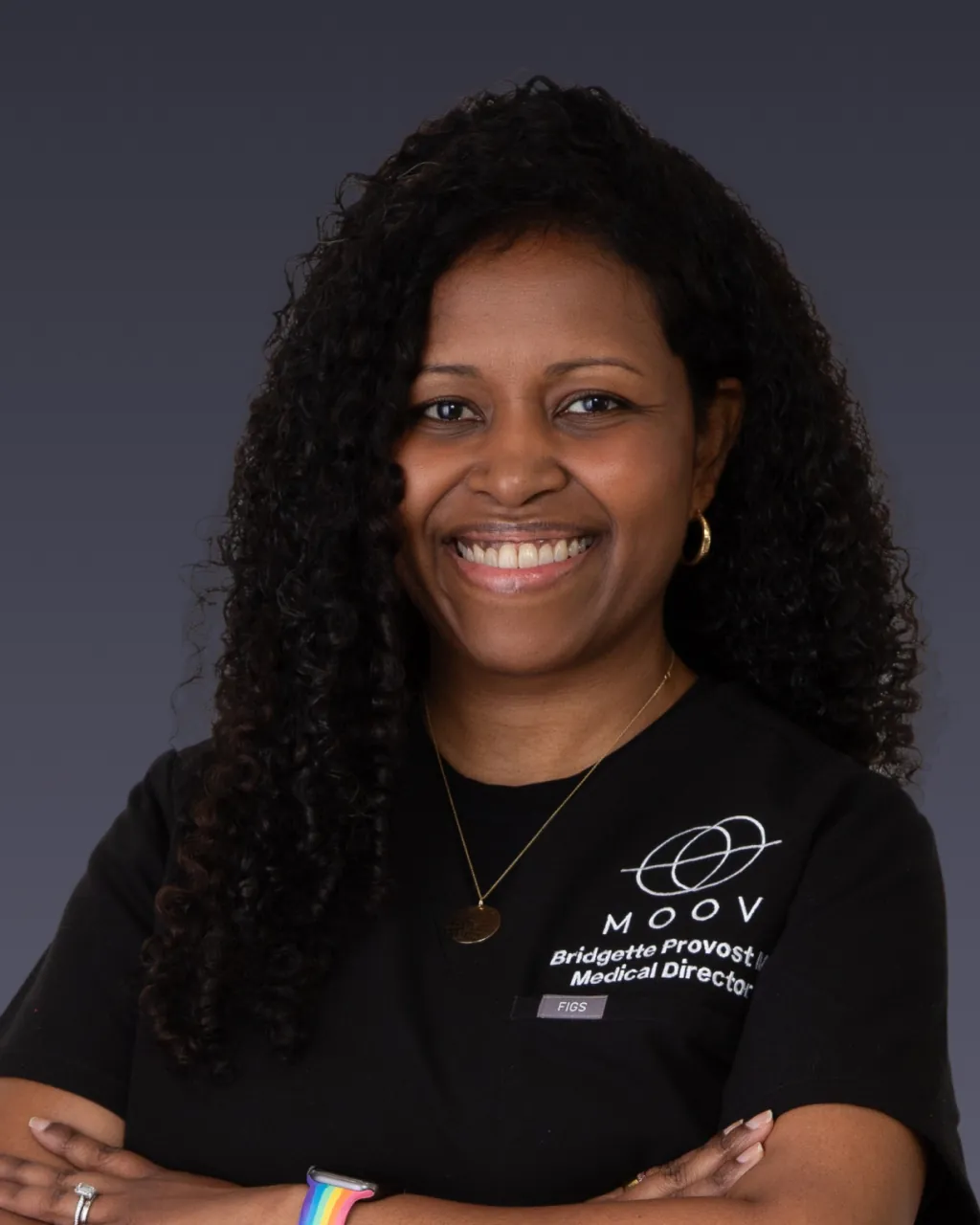
A physician with more than a decade in integrative and metabolic medicine, trained at Wesleyan, the Yale School of Public Health, and Florida State University College of Medicine. Her clinical focus is hormone therapy, obesity medicine, and the metabolic factors that shape long-term health.
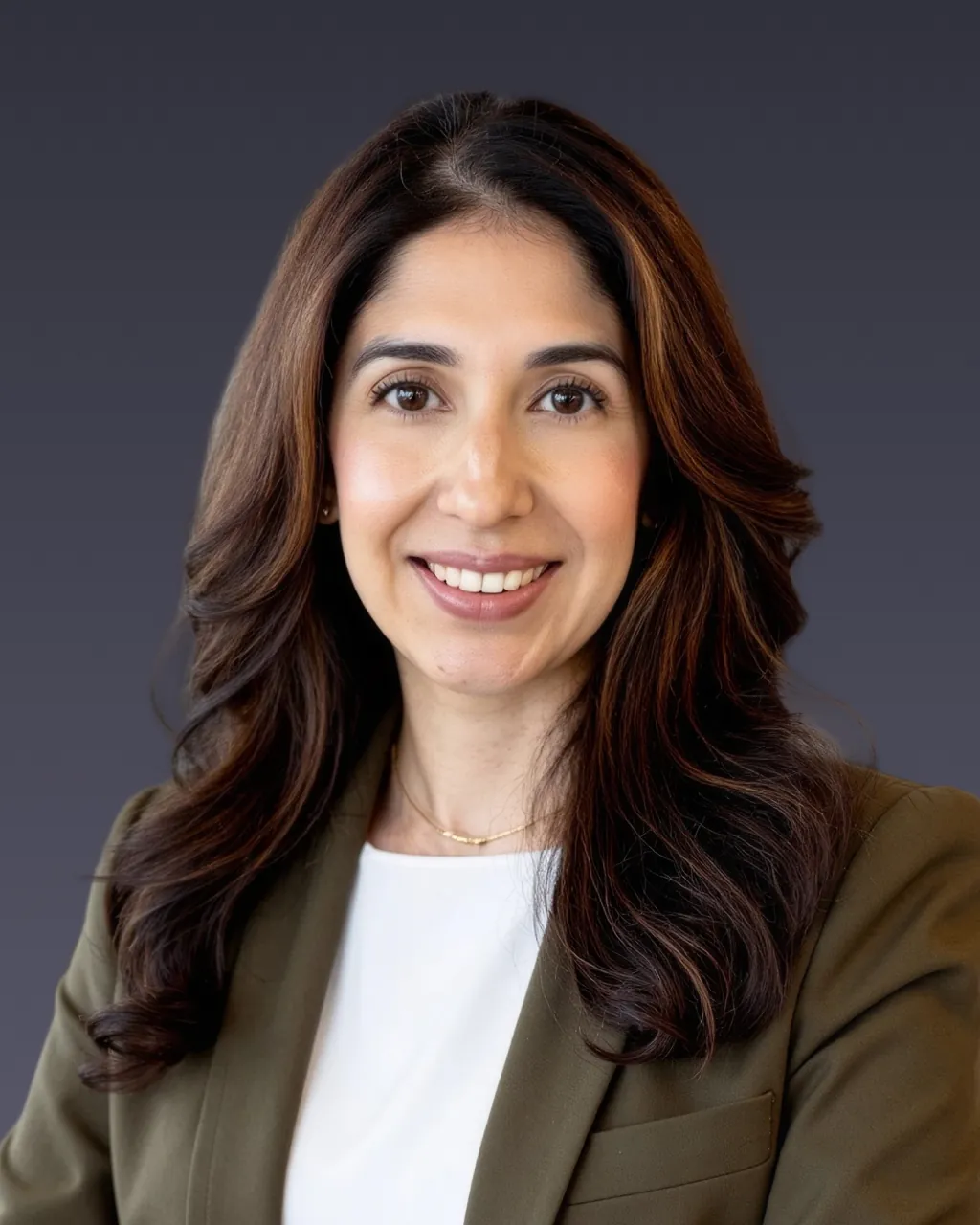
A board-certified anesthesiologist who founded a concierge longevity practice organized around prevention and precision medicine, with a clinical focus on cardiovascular, metabolic, and gut health.
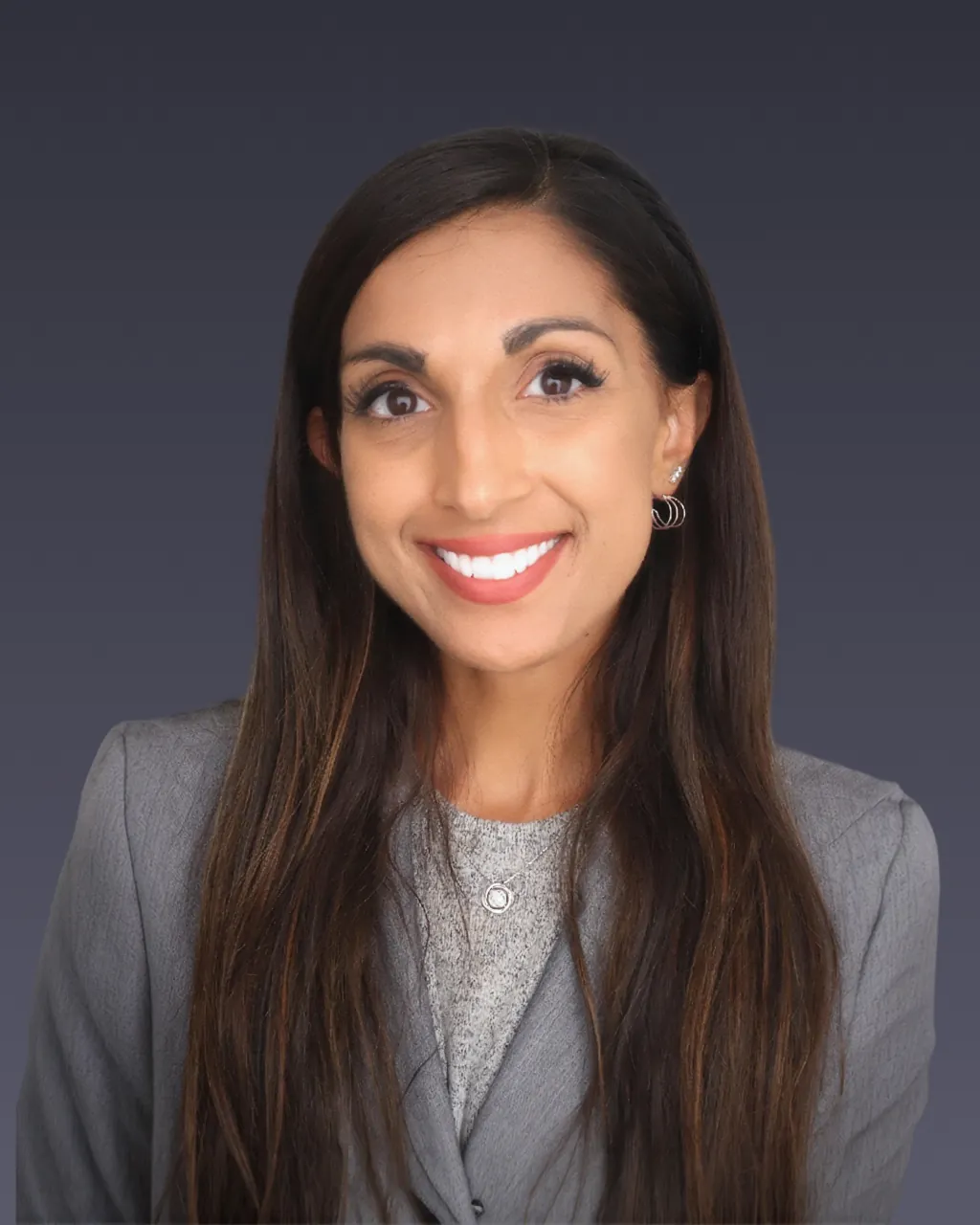
An internal medicine physician trained at Stanford and at Harvard's Massachusetts General Hospital. Her research applies AI to everyday clinical care, from skin-cancer detection to preventive cardiology, and focuses on tools that support the physician's judgment rather than replace it.
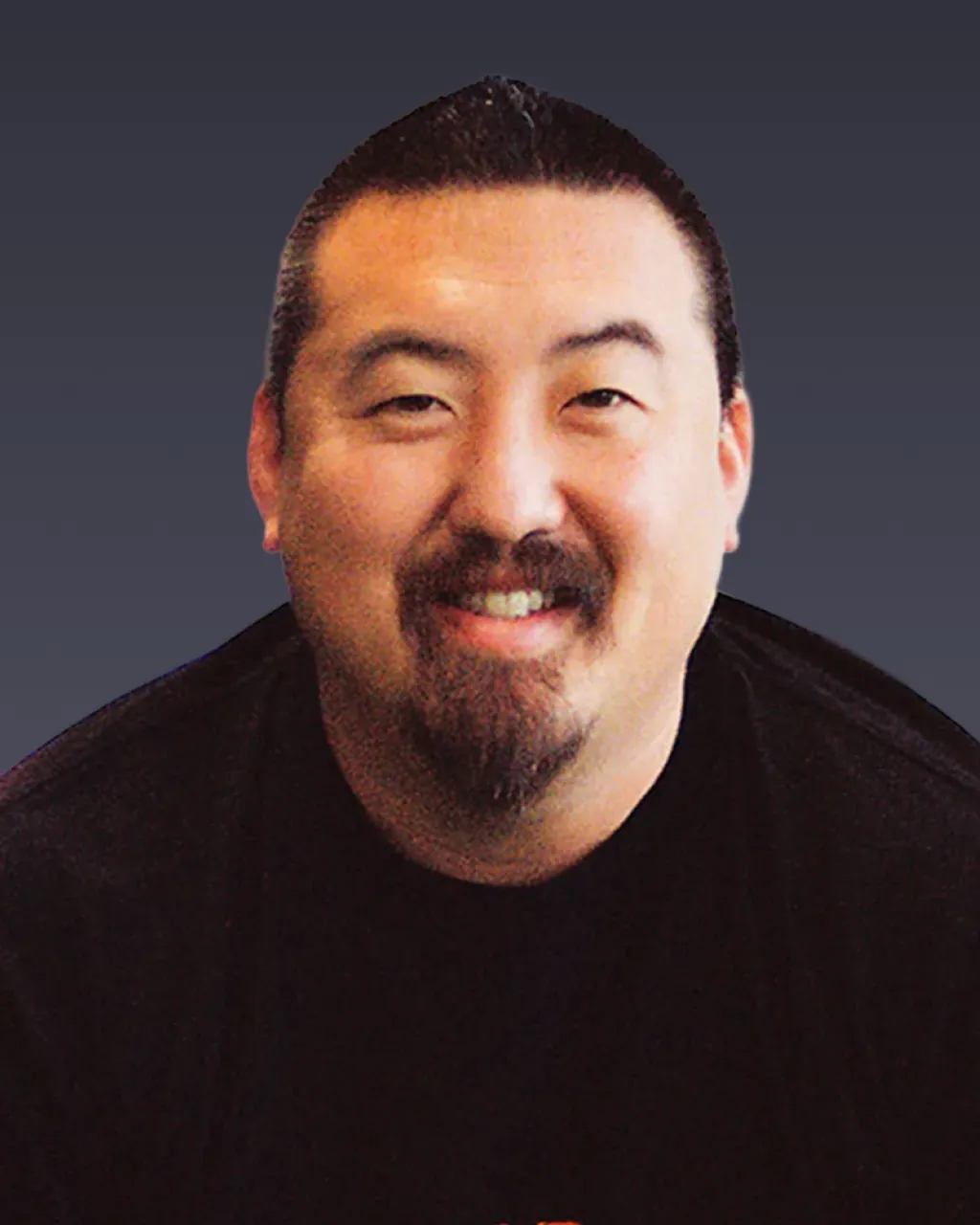
A board-certified sports physical therapist and strength-and-conditioning specialist who has spent over a decade helping elite athletes recover from surgery and return stronger, pairing manual therapy and progressive strength work with movement literacy to rebuild long-term performance capacity.
Two days at Loews Coronado Bay. Every session graded by clinical readiness and anchored in active practice.
Exceptional aging is no longer theoretical — superaging research shows a measurable pattern (metabolic, cognitive, hormonal, inflammatory, social), actionable earlier than medicine has traditionally engaged. Dr. Shepherd maps what the evidence reveals about exceptional healthspan, where it diverges from the standard of care, and what a patient-centered longevity ecosystem looks like in practice.
Longevity care has gotten good at measurement; the harder question is what to do with it. Dr. Lin offers a framework for turning labs, wearables, imaging, hormones, and AI outputs into care plans patients can follow — separating what's ready for practice now from what's still premature, against real constraints like time, workflow, and economics.
Moderated by Maureen Bell, MD
Physician leaders across longevity, precision medicine, and women's health have the conversation most conferences are too polished to have: what's clinically ready today, what's promising but premature, and what's noise dressed up in the language of science. Distinct lenses, a willingness to disagree publicly, and audience questions driving the second half.
Moderated by Bobbie Kumar, MD
You make a preventive care plan. Your patient agrees with it—but completes only part of it.
What happens between recommendation and completion?
Join Dr. Richard Jenkins, former Chief Medical Officer of PwC Middle East and Emirates Group, for a case-based discussion of one of preventive medicine's least examined clinical problems: how affordability, complexity, and decision fatigue can quietly change the care patients receive.
You'll explore how to communicate clinical priorities when patients face multiple options, recognize cost-driven attrition as a potential clinical outcome, address affordability without allowing it to influence clinical judgment, and preserve trust when financial options enter the care conversation.
GLP-1 receptor agonists are the most consequential development in metabolic medicine in a generation — and the most overhyped. Dr. Barzilai brings the missing rigor: cardiovascular outcomes, neurological signals, lean-mass implications, and the patient profiles where these agents belong in a longevity protocol versus where they don't.
Moderated by Chris Smith, MD
AI is being positioned as the solution to every problem in medicine; this panel maps where that framing breaks down. Drawing on AI development in regulated healthcare, the clinical precision-medicine lens, and the health-system view, it examines where AI genuinely augments judgment, where it's sold faster than it can be validated, and the part of the physician's role it can't replace.
Moderated by Bobbie Kumar, MD
Epigenetic clocks, multi-system biomarkers, and organ-specific aging scores have outpaced the framework for interpreting them. Dr. Sehgal — who developed SYMPHONYAge, measuring biological aging across eleven organ systems from a single blood draw — gives physicians a working decision framework: which tests are validated, what they predict, and when more data creates more confusion than clarity.
Moderated by David Jones, MD
The therapies clinicians are asked about — peptides, IV nutrients, regenerative biologics, compounded GLP-1s — are evolving faster than the frameworks built to manage them. This session establishes the landscape before implementing new protocols: how the FDA, DEA, state boards, and compounding rules interact, where the greatest exposure lies, and what separates a defensible practice from an enforcement action.
Moderated by Seth Thomas, MD
Standard cardiovascular risk tools were built on male physiology — and for women, particularly in peri- and postmenopause, they miss. Dr. Steinbaum lays out a framework for female cardiovascular biology: which biomarkers matter, where AI-enhanced imaging changes risk stratification, and what a clinician seeing women in midlife can do differently today.
Moderated by Nicki Braxley, MD
The microbiome shapes cardiovascular, metabolic, immune, and cognitive aging — but the clinical signal has been buried under consumer-grade testing that generates anxiety without action. This session covers what the science supports: how to interpret AI-driven metagenomic microbiome analysis in a longevity context, and how to build interventions that move the needle.
Moderated by Katie Baker, MD
Skin is the only organ you can see without a scan — and most clinicians underuse it as a diagnostic tool. This panel reframes skin aging as a mitochondrial, hormonal, metabolic, and inflammatory conversation: the same processes driving cardiovascular disease, cognitive decline, and metabolic dysfunction are written on the skin years before they show up elsewhere.
Moderated by Emily Luerssen, MD
Declining estrogen and progesterone alter gut motility, visceral sensitivity, and the gut-brain axis — producing a picture in perimenopausal women that's often indistinguishable from IBS, frequently comorbid, and almost never evaluated hormonally. This session names the diagnostic problem: telling primary IBS from perimenopause-induced symptoms from true overlap, and where sequential single-specialty care breaks down.
Moderated by Bobbie Kumar, MD
The longevity market is already being built — by investors, entrepreneurs, and consumer brands moving faster than any clinical guideline. This moderated conversation examines the forces reshaping patient expectations and the investment signals driving the next decade of health infrastructure, and what the clinical community must do to lead the shift rather than follow it.
Moderated by Nika Duan
For women, people of color, and anyone outside the original study cohort, medicine's slow-by-design caution has too often meant wrong — PCOS took 17+ years to reach consensus; the BMI scale, derived from 1800s European men, is still used across every demographic. This panel examines what happens when universal standards are built on a non-universal sample, and why precision medicine is the correction — where the gaps are most urgent, and how to build a practice that doesn't replicate them.
Moderated by Bobbie Kumar, MD
A clinical masterclass in intravenous nutrient therapy for longevity — the evidence rationale for IV over oral, patient selection and safety screening, and protocol design for the core longevity infusions. Moves from didactic grounding to physician-led protocol design to hands-on line setup, access, and compounding.
Moderated by David Jones, MD
An evidence review and hands-on workshop in regenerative therapies: PRP preparation, ultrasound-guided injection, and protein concentrates. Covers grading the evidence across joint, hair, and sexual-health applications, exosome sourcing and safety, and protocol design with consent frameworks and outcome tracking.
Moderated by John Childress, MD
Peptide therapy is one of the most requested conversations in longevity medicine — and one of the most legally misunderstood, with a regulatory landscape that has shifted significantly in the past 18 months. This workshop puts legal counsel at the table alongside the clinical protocols.
Moderated by Bridgette Provost, MD
Dr. Holden reframes aesthetic medicine as a clinical longevity discipline, not a cosmetic adjunct. A hands-on workshop covering a five-step framework for skin assessment and practical training in HiFem technology, collagen stimulators, and injectables with proper patient evaluation.
Moderated by Emily Luerssen, MD
Cholesterol and coronary calcium tell us a great deal about cardiovascular risk and atherosclerotic burden, but they do not tell the whole story. In this fireside conversation, hear from Dr. Jeff Sternlicht about his own cardiovascular health journey, alongside Dr. Jessie Katz, as they explore vascular aging as another dimension of cardiovascular health. The discussion will look at how arterial function complements biomarkers such as ApoB and imaging such as CAC and CCTA, what vascular function can reveal, and whether it can offer a more dynamic way to understand and track cardiovascular health over time.
Longevity medicine is extending healthspans well beyond traditional life expectancy, but most retirement plans, trusts, and estate structures are still built for an 85-year lifespan. This session explores what changes when 100+ becomes the realistic planning horizon: from retirement withdrawal strategies and healthcare cost funding to trust design built for multi-generational overlap. Attendees will leave with a practical framework for stress-testing their own financial plan against a longer, healthier life.
We still manage behavioral health and longevity in snapshots while the signals that predict trajectory — sleep, HRV, activity, recovery, mood — stream continuously and go unused. This session explores how wearable data feeding LLM-guided monitoring moves care from episodic to continuous, and names the hard parts honestly: alert fatigue, liability for autonomous management, and reimbursement.
Moderated by Don Bennett, MD
The science of longevity medicine is advancing faster than the reimbursement system that supports it. Drawing on years building a concierge precision-medicine practice, Dr. Desai covers the architecture of a longevity practice that lasts: cash-pay versus hybrid models, membership design, concierge economics, and the patient experience that sustains trust.
Moderated by Bridgette Provost, MD
Sarcopenia isn't a geriatric problem — it starts in the fourth decade and is measurable before it's visible. This session reframes it from decline prevention to performance preservation: assessing muscle mass and function, prescribing resistance and balance training with the specificity of a pharmacological protocol, and using force plates and body-composition data to set patient-specific targets.
Moderated by John Childress, MD
Brain aging begins decades before any memory symptoms appear, which leaves a long window in which it can be measured and changed. This session covers what the research now shows about the biological age of the brain, how it is assessed through genomics, imaging, and cognitive testing, and which lifestyle and medical interventions have evidence supporting them. Attendees will leave with a framework for tracking their patients' rate of brain aging and lowering their dementia risk, along with a clear sense of where the evidence is solid and where it is still developing.
Moderated by Chris Smith, MD
A diagnostics-forward workshop that treats performance as a vital sign: VO2 max benchmarks and mortality risk, force-plate analysis for fall and frailty risk, body-composition thresholds, and grip strength as a systemic longevity predictor. Small groups build a clinical movement-assessment battery, with hands-on device training.
Moderated by Seth Thomas, MD
An evidence review and hands-on workshop in regenerative therapies: PRP preparation, ultrasound-guided injection, and protein concentrates. Covers grading the evidence across joint, hair, and sexual-health applications, exosome sourcing and safety, and protocol design with consent frameworks and outcome tracking.
Moderated by John Childress, MD
The downstream aesthetic consequences of GLP-1 therapy — facial volume loss, skin laxity, hair loss, muscle wasting — are creating a new patient category. This workshop establishes the framework for identifying, counseling, and treating these patients, with hands-on training in clinical evaluation and device-based therapies including PRF, Fotona laser, and topical exosomes.
Moderated by Maureen Bell, MD




A private 15-acre peninsula on San Diego Bay. Sessions take place in waterfront rooms with floor-to-ceiling glass. The rest of the time, you're on the water.
The peninsula holds the program. Sessions, labs, and the conversations between them — anchored to a single place, never far from the bay.
The firepit, the bay, and the part of the day that makes the work sustainable.
Longevity medicine is dense work. The setting isn't decoration. It's part of how the work gets done.
A private 15-acre peninsula on San Diego Bay. Sessions take place in waterfront rooms with floor-to-ceiling glass. The rest of the time, you're on the water.
The peninsula holds the program. Sessions, labs, and the conversations between them — anchored to a single place, never far from the bay.
The firepit, the bay, and the part of the day that makes the work sustainable.
Longevity medicine is dense work. The setting isn't decoration. It's part of how the work gets done.
FAQ
Register
MVMNT 2026 is the inaugural gathering. The physicians who register now help define what this becomes.
Founding Circle Rate
$500
Organizations in Attendance